
Over the years, whether public or privately owned, there has been a surge of art foundations in China and on an international scale. Unlike the US or other European countries, who has a long history of art foundation, the art foundation is still a new trend. We analysis the development and the current situation of art foundation in China.
Art foundations cover a wide spectrum of public interest matters, such as preserve art tradition, promote research and intercultural communication, support innovation, as well as enhance the interaction between artistic creations and social developments. As philanthropic institutions, art foundations are not motivated by financial ends. Their mission is to ensure the upkeep of their activities in terms of sponsorship, sustainability, and influence.
The American art foundations are often cited as references in their field. In the United States, around three quarters of the wealthiest Americans have their own foundations, among which many are dedicated to the support and promotion of the arts. Many of art foundations in US, as well as in the United Kingdom, and France have already reached their completion point, with sustainable investment strategies to promote and lead art creations, auctions, as well as preserve their heritage.
Meanwhile, Chinese art foundations have only just started to emerge on the international scene. One may distinguish their development in four stages. The first unofficial Chinese art foundations appeared in between 1981 and 1987. From 1988 to 1996, the government began to officially monitor the development of art foundations and issued the "Regulations on the Management of Foundations", a three-fold supervision guideline. From 1997 to 2003, their activities became increasingly regulated. The General Office of the Central Committee of the Communist Party of China, and the State Council jointly issued another official guideline, "Circular on Strengthening the Management of Social Organizations and Private Non-enterprise Units", and thus began to clean up and rectify foundations. This led them to being put on hold for a long period of time. It is only recently since 2004 that Chinese art foundations have shown a fast and steady progress. Although the number of Chinese art foundations has increased at an exponential rate, in comparison to America, China is still at an experimental stage.
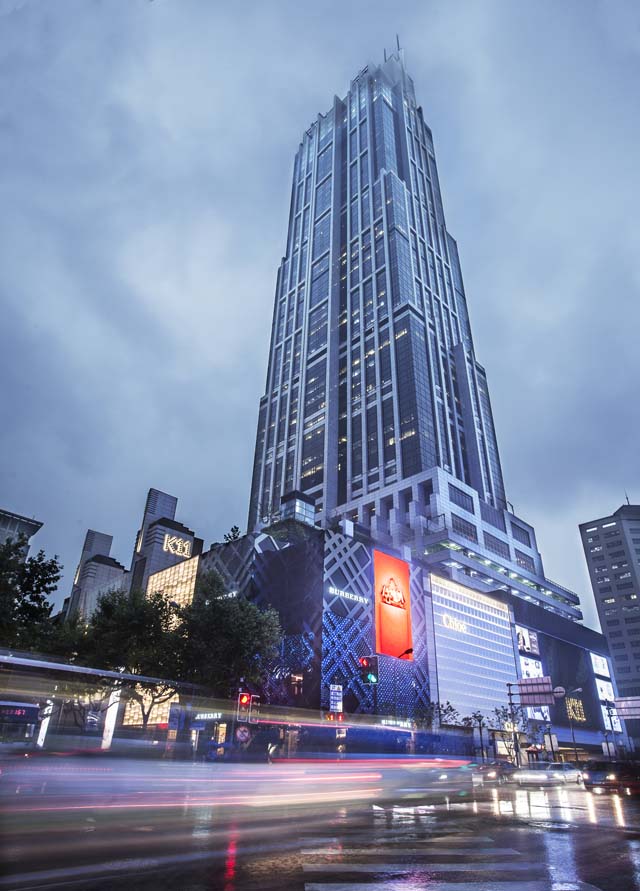
▲K11 Art Foundation is among the most well-kwown art foundations in China
In regard to regional development, the growth of foundations in the west is more stable than in China due to their long history, rich experience, preferential taxes, and regulatory policies. The Getty Foundation CEO, Deborah Marrow, explained that the prosperity of American foundations is partly due to the preferential US tax system for individuals, families, and companies who donate their wealth to charities. Indeed, by donating up to 50% of their annual income to public foundations or 30% to private foundations, donors can get tax exemption. Patrons can also be appointed as Directors and therefore participate in the policy making process. Mrs. Béatrice de Durfort from the French Foundation Center (Centre Français des Fonds et Fondations) indicated that the French government grants a tax relief that ranges from 60% for corporate patrons, and 66% to 75% for individual patrons. Mrs. Zheng Yali, representative of the Taishin Bank Foundation for Arts and Culture, said that Taiwanese banks are very active in supporting arts by also offering relevant tax exemption policies. However, because foundations are fairly new in China, their funding remains a challenge at the moment. Tax policy is one of the most important obstacles. Art foundations in China do not benefit from 100% tax exemptions yet, which severely thwarts their development. Currently, many art institutions in China still rely on government funding, although the latter does not have any relevant preferential policies to promote the development of foundations.
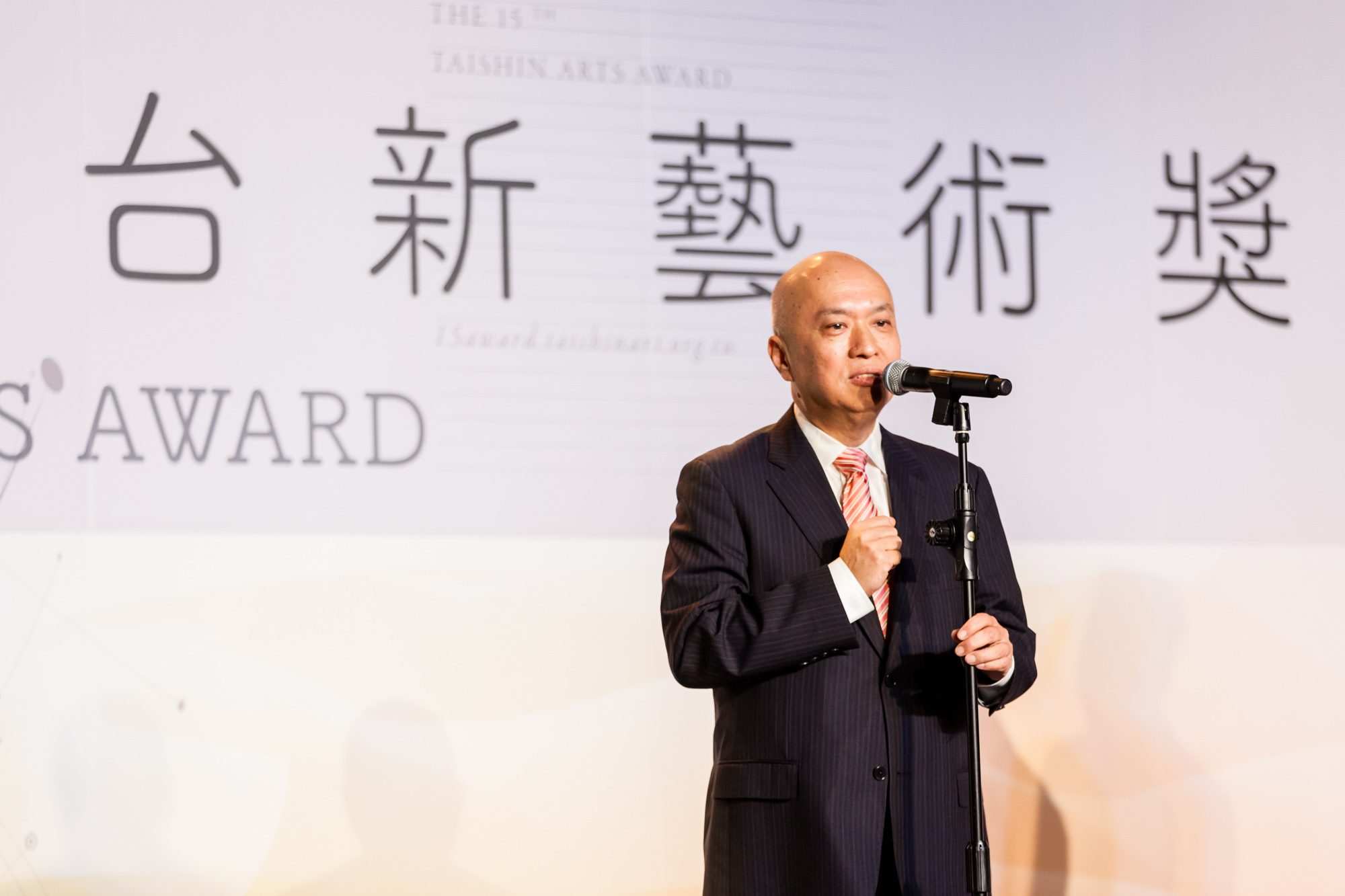
▲Taishin Bank Foundation for Arts and Culture has its own art award
In the recent years, the regulatory policies for the development of Chinese culture have been decided upon the needs of the cultural industry. The government has provided a guidance fund in favor of cultural industries, and it has been proactive in facilitating the work process for pre-existing public cultural institutions. However, the conversion of public institutes, such as publishing houses and performance groups, into private companies has made the regulations and funding inadequate for many Chinese non-profit art and cultural organizations. The financial aids and guidance from the government are unfortunately limited for the time being. China's ambitions in terms of art and culture are just getting started. There is a long way to go before China's art patronage system can be fully defined.
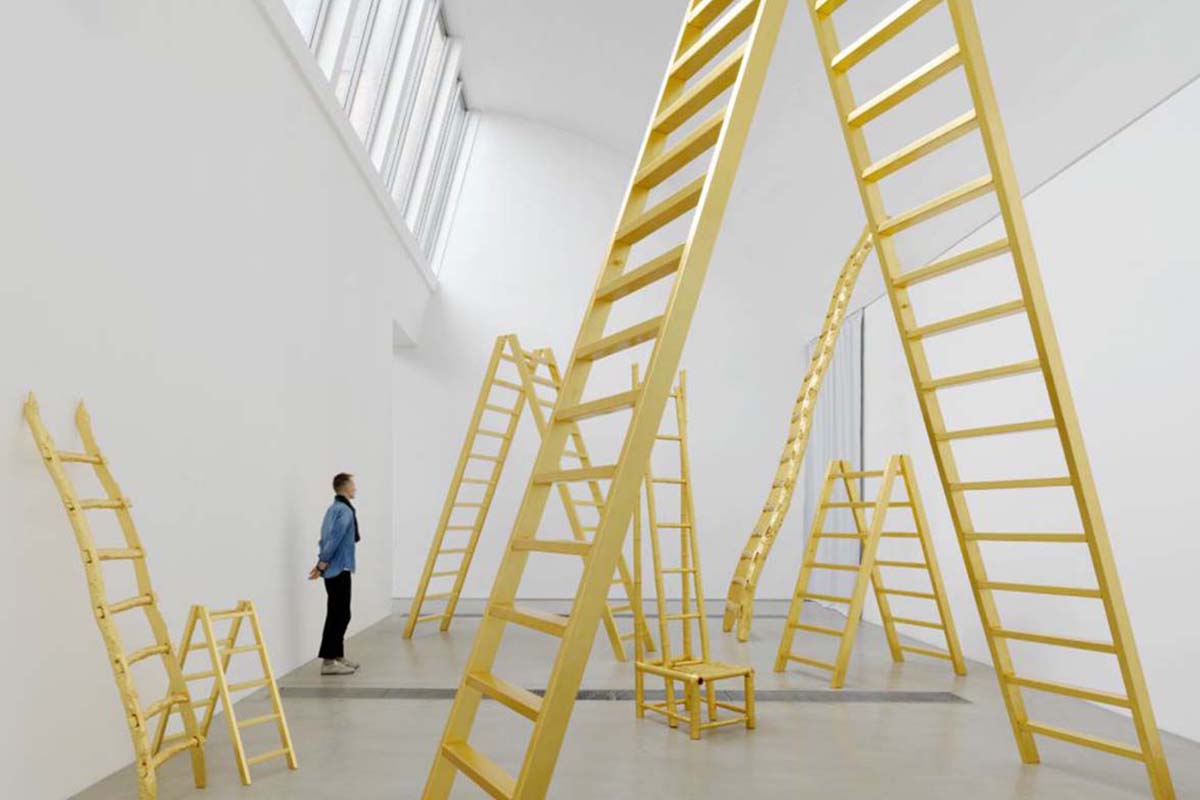
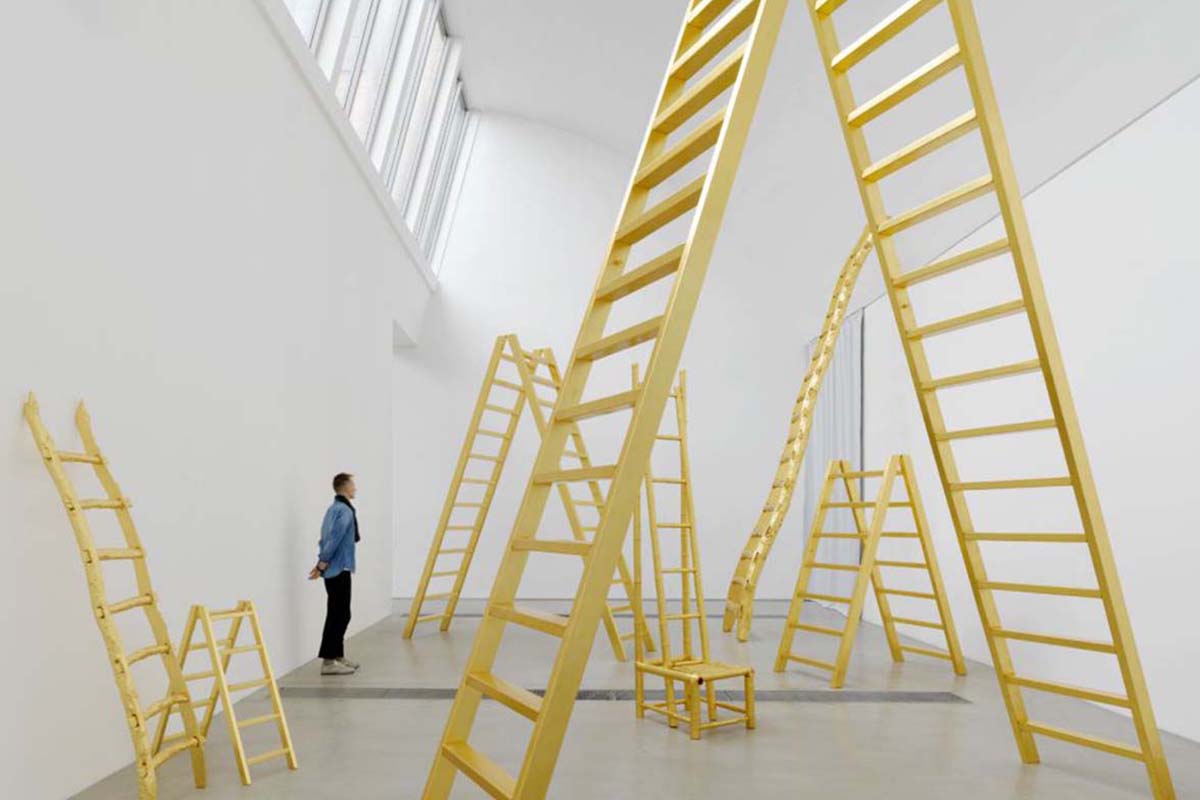
▲Yoko Ono's exhibition atFaurschou Foundation in Beijing
China's current national policies and social-economic structures still lack the preconditions and qualifications for the establishment of solid art foundations. Yet, this "independence" gives art foundations more creative power to initiate projects, instead of being bound to answer the government's concerns, and the market's sought after profits. This demonstrates the importance of the foundations' leeway in order to put together unique projects without being held back by financial woes or other obstacles (e.g. the Wu Zuoren International Foundation of Fine Arts sponsored The 34th World Congress of Art History). It allows foundations to spot talents, encourage creation, and expand their involvement in new domains of arts. Although art foundations have not yet reached their full potential in China, the efforts undertaken by their current benefactors show strong promises for the future.