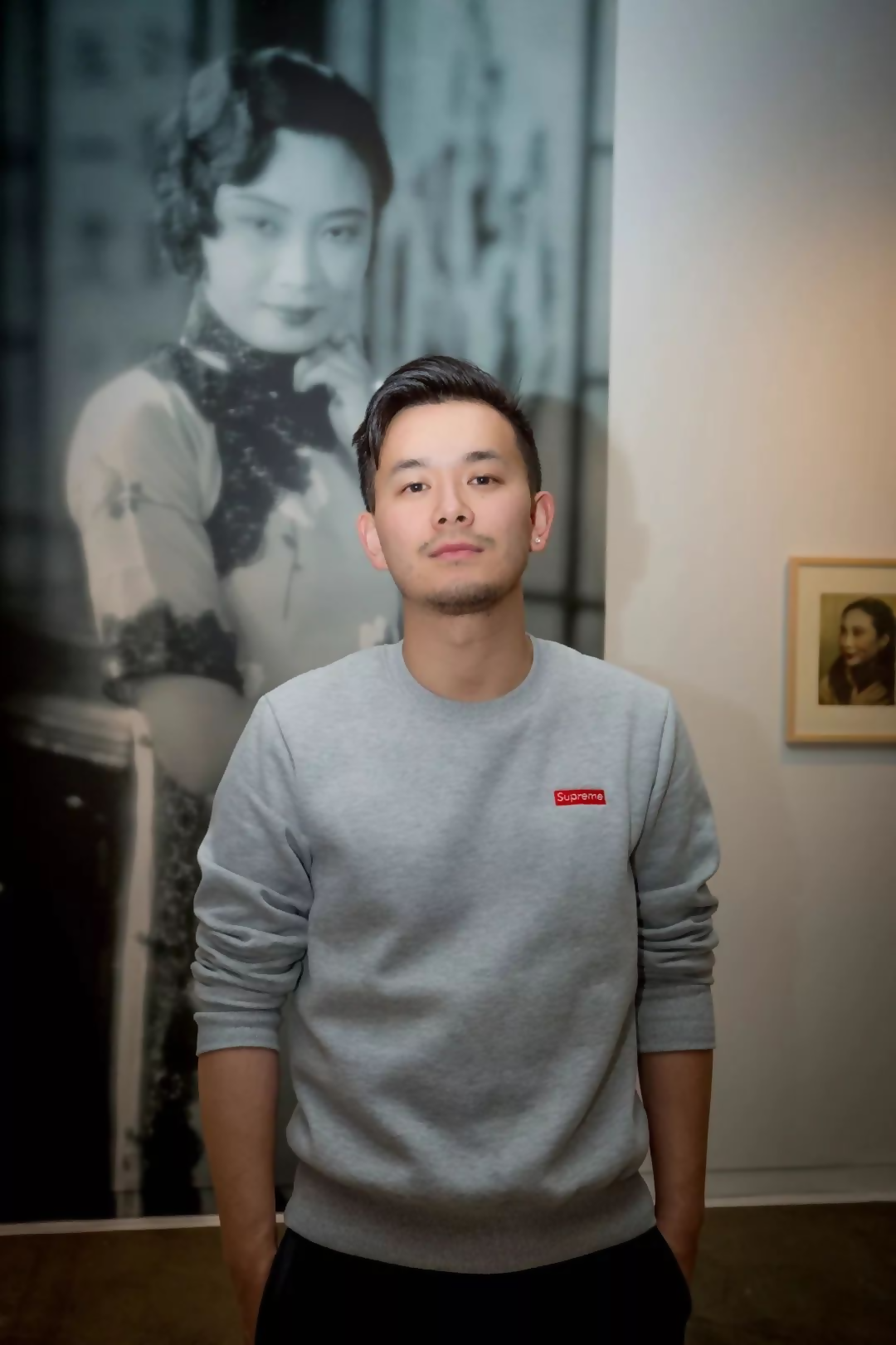

As the co-founder of ART021 and an art collector and patron, David Chau has a substantial amount of experience within the art market. In this interview, the young successful entrepreneur shares some of his invaluable knowledge and insights with us. The topics range from “how to build an art collection” to “future trends of the Chinese primary art market”. He also tells us how art has impacted his life.
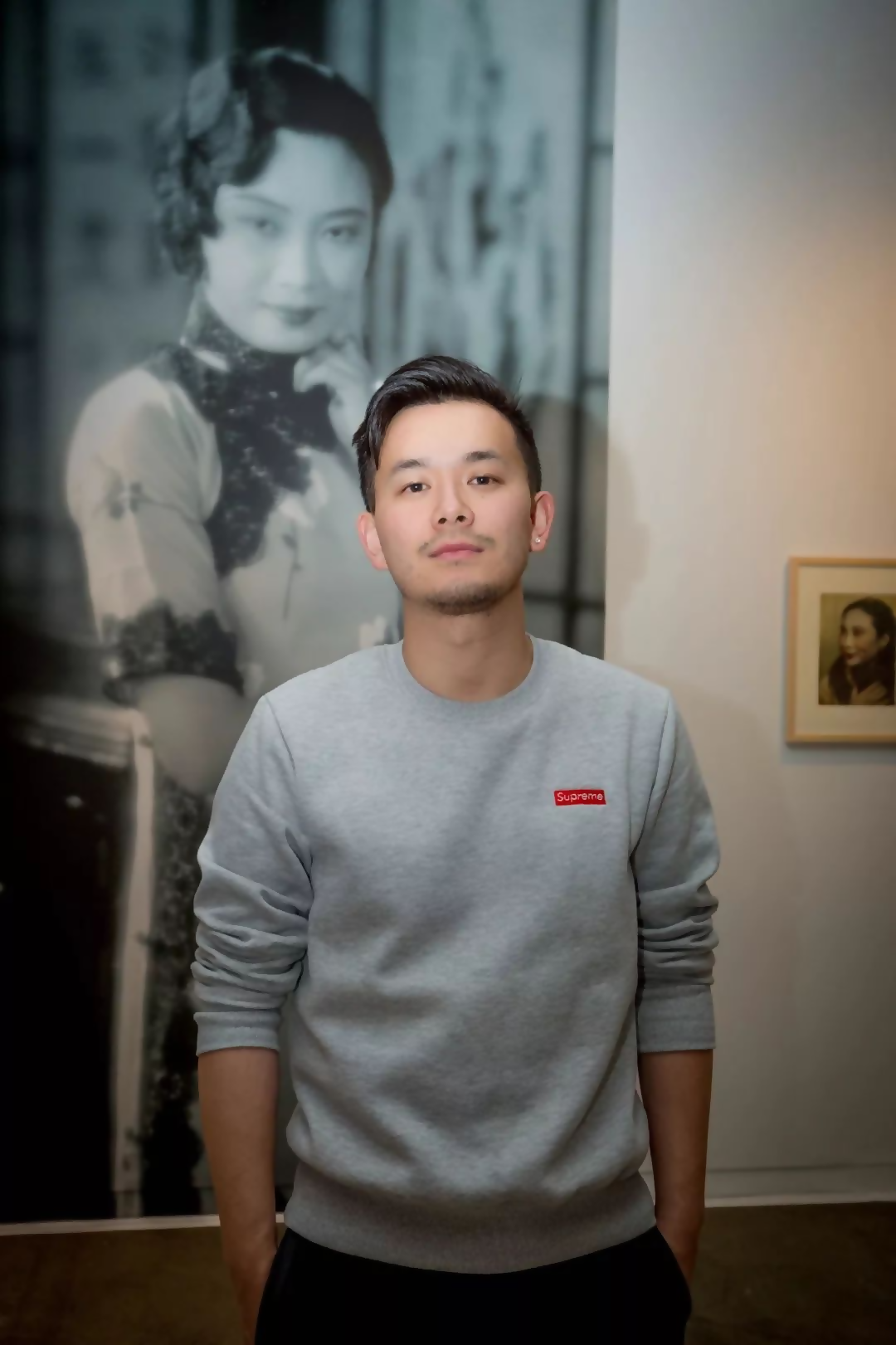 ▲David Chau
Chau as an art collector: “Art history is essential.”
Chau began collecting contemporary art in 2003, and up to the present day, he’s formed his own way of collecting art. He has two rules: firstly, he will consider if the artist’s work matches his own art philosophy; and secondly, he will determine whether the artist has good career prospects.
“The trajectory of my art collection hasn’t actually diverged much in previous years.”
Chau’s art history background strongly influences his decision-making process. He will often ask himself the following questions: Has this artist made a tremendous contribution to art history? Will his art philosophy remain current for years to come? And will this artwork disrupt and redefine art history in years to come?
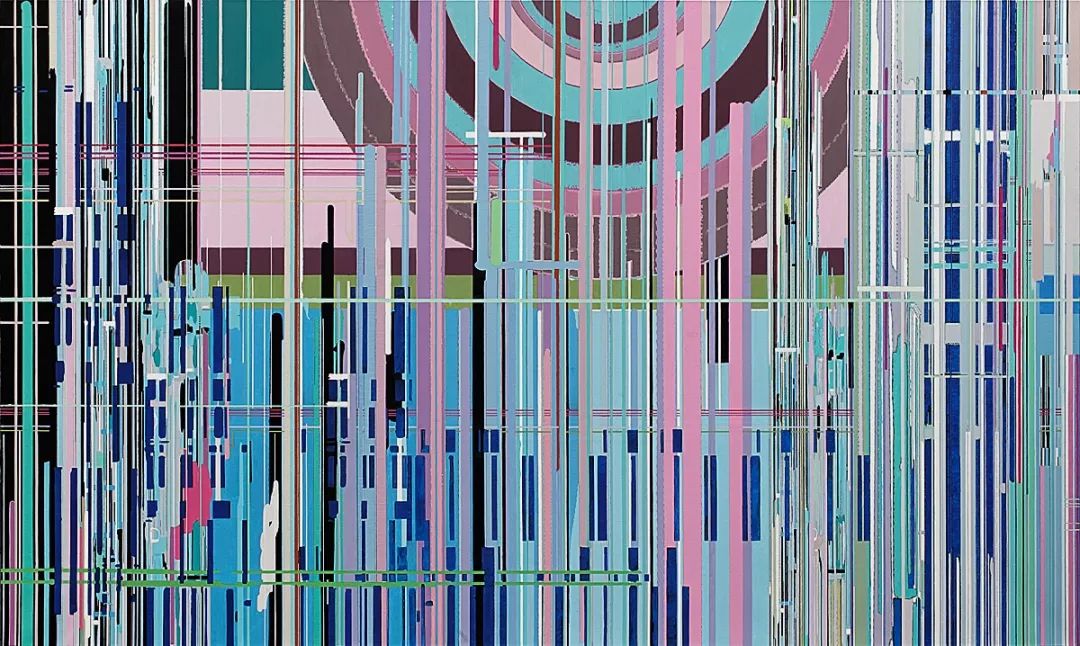
▲David Chau’s collection: Liu Wei, Purple Air 2012 No.1, 2011, Oil on canvas, 300 × 180 cm. Courtesy of David Chau.
Throughout the years, Chau’s collection has expanded to include more than 500 - 600 hundred artworks, which cover a wide range of different artistic styles, including top-level Asian modern artists such as Zao Wou-Ki’s works and assorted avant-garde video arts.
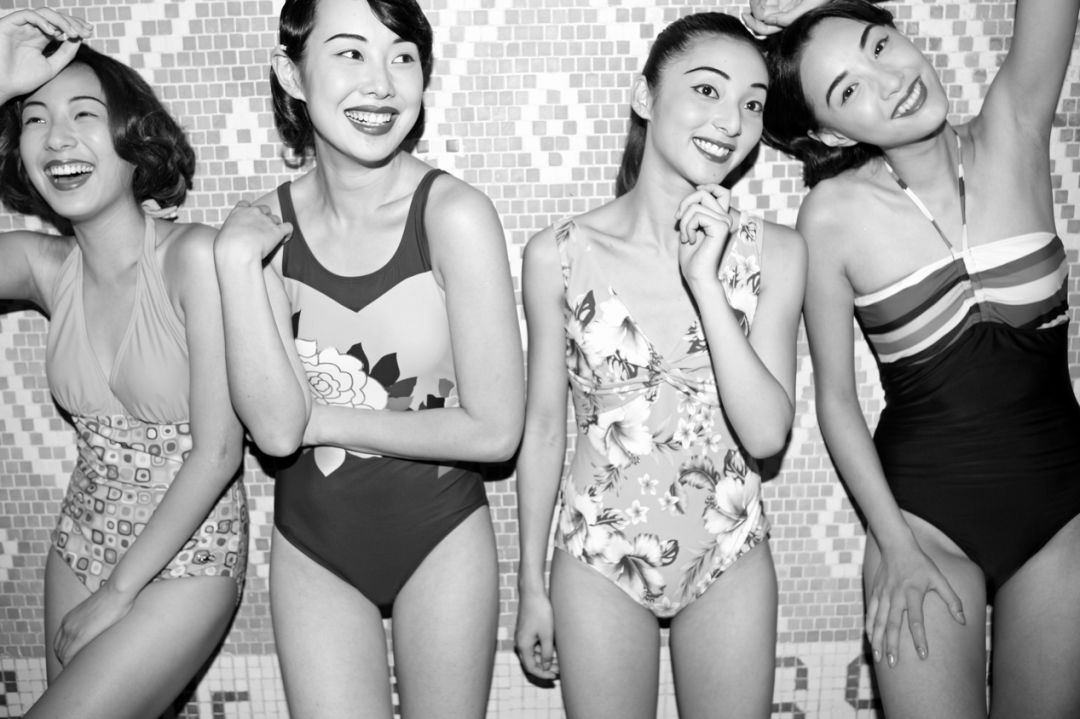
▲David Chau’s collection: Yang Fudong, International Hotel No.8, photograph, 120 × 180 cm. Courtesy of David Chau.
The collector also said, “To me, Dayu Wu is an implacable figure as he is one of the pioneers of the China Academy of Art. The institute exerts crucial influence on the overall development of Chinese modern and contemporary art history. For example, it is Dayu Wu who guided Zao Wou-ki to develop his art career in France.”
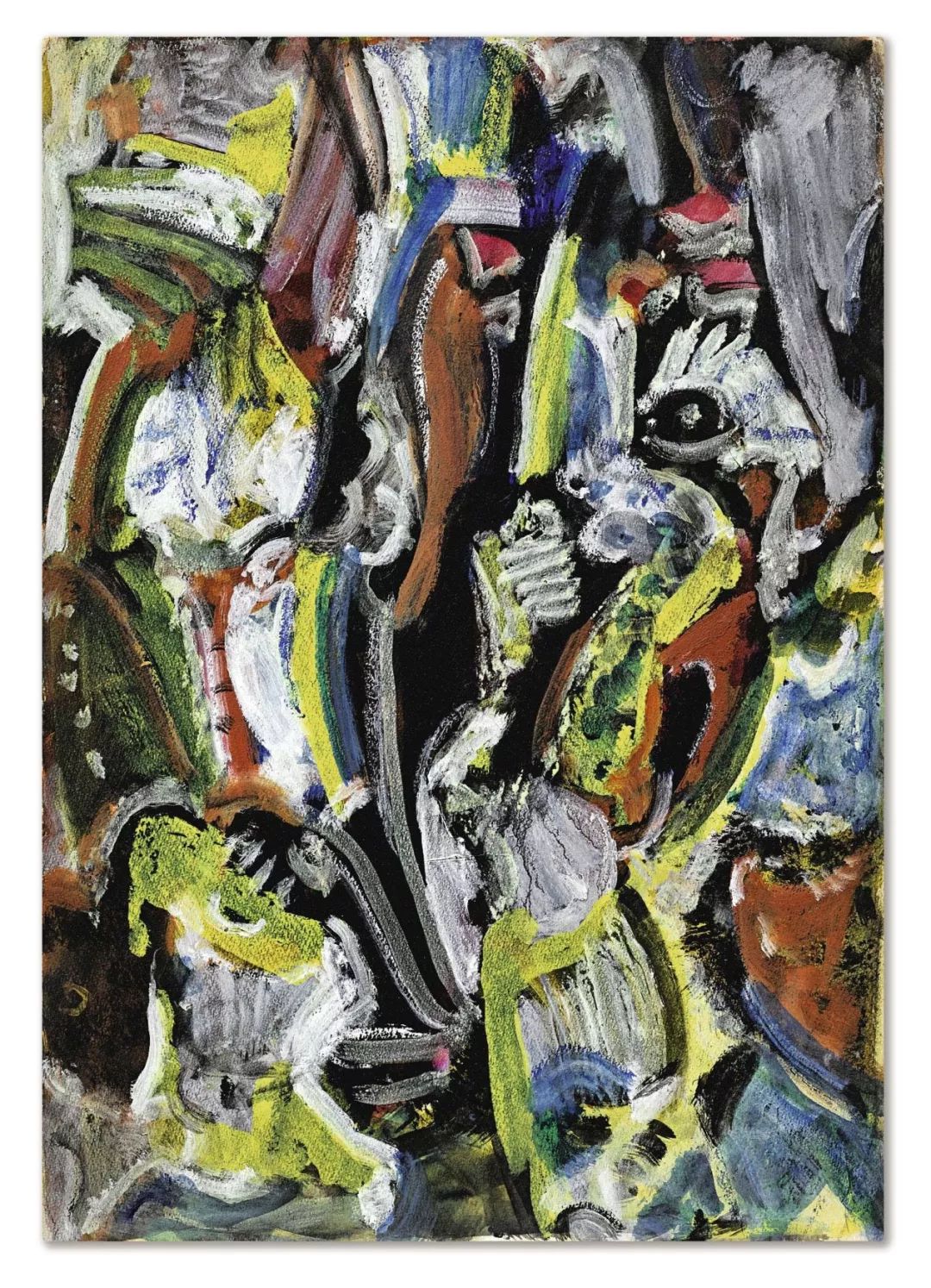 ▲David Chau’s collection: Wu Dayu, Untitled, mixed media on paper mounted on board, 64 × 45 cm. Courtesy of David Chau.
Chau as an art patron: “I don’t mind paying for unsaleable artworks.”
“As for me, art is not only a job, but also a lifelong cause.” In addition to collecting art, Chau also supports several artists and their work.
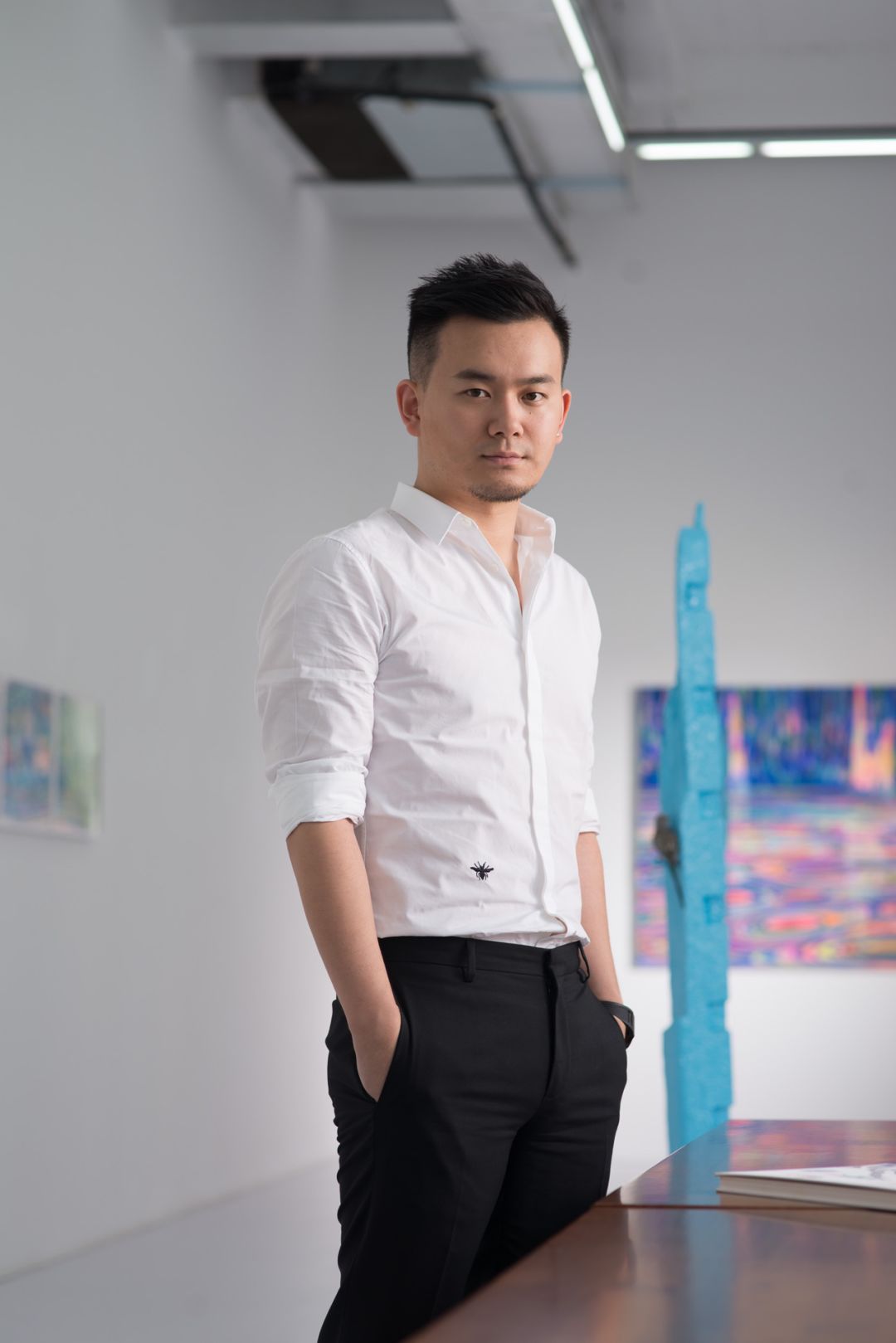 ▲David Chau
He said, “If people invested in art purely for profit, the Chinese art scene would become a disaster.” Although a lot of his “investments” do not guarantee any profit, he continues to support artists, in order for more talented Chinese artists to have their work accepted by biennales and museums. Because of this, Chau has financially helped many artists to attend the Shanghai Biennale.
Chau‘s great ambition is to help to build a more comprehensive Chinese art market system, and he has therefore chosen to focus his efforts on the weakest links in the system, for example art fairs and galleries. When he noticed that “there was a lack of high-quality art fairs in Shanghai”, he created ART021.
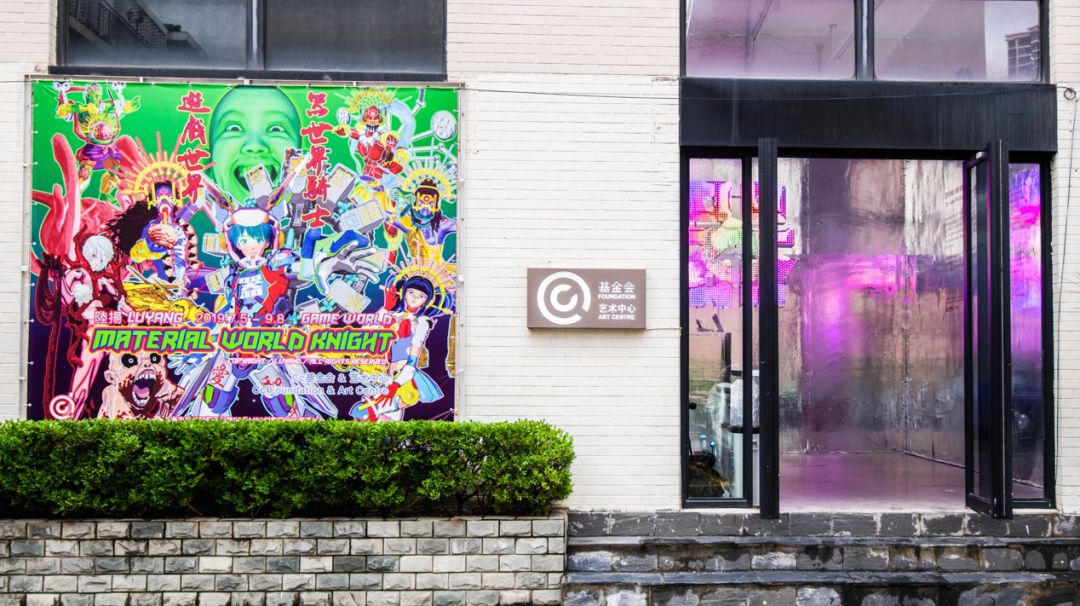
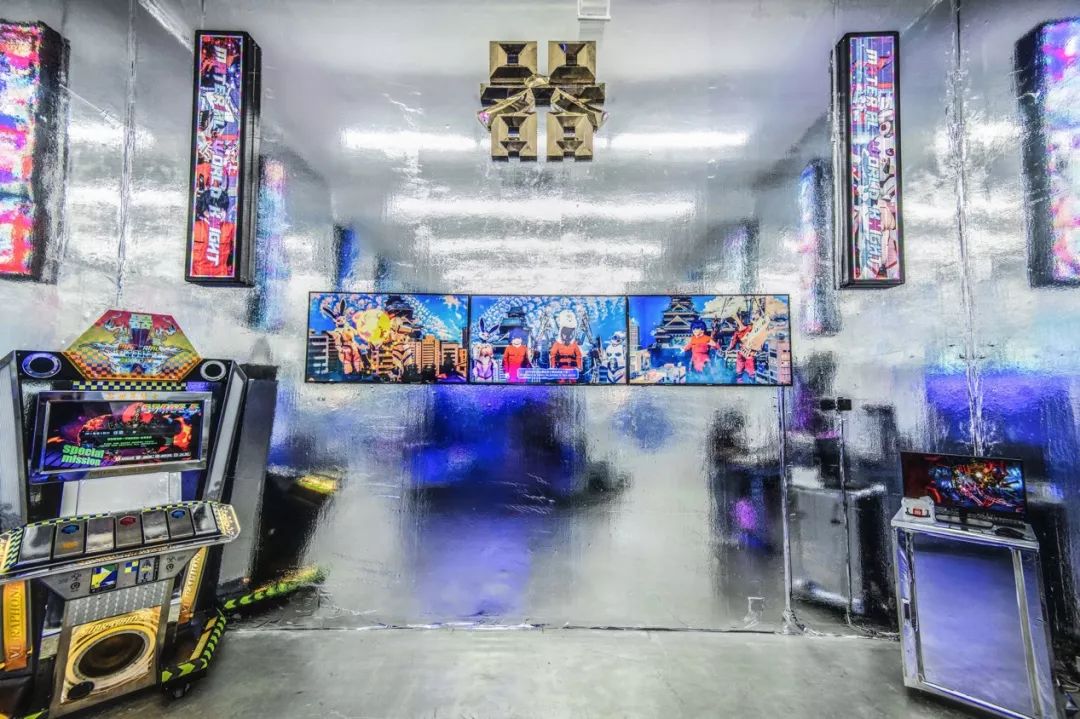 ▲View of Luyang’s solo exhibition “Material World Knight” at David Zhou’s Cc Foundation, Shanghai, China, 2019. Courtesy of Cc Foundation.
Chau, however, has no plan to build his own museum. “China already has a number of decent private art museums,” he said, “and normally, it takes a massive injection of funds to operate and maintain such huge physical spaces. Therefore, developing a museum for me would be at the expense of supporting artists and art projects and this is a sacrifice I’d rather not make.”
Chau as the founder of ART021
ART021 has now become one of the most dominant players in the Chinese art scene, as well as one of the main causes of popularising contemporary art in Shanghai. When Chau originally created ART021, he didn’t expect such a great success in terms of the financial side of things. He was only experimenting with a business model in the hope of somehow managing to make both ends meet.
“Shanghai’s art market was not functioning properly and one of the main reasons was the lack of quality art fairs at that time,” said Chau. That’s why he decided try it himself.
When asked if he views the fair as a philanthropic project, Chau frankly states that he wouldn’t create too many unprofitable situations for himself as he is a business man.
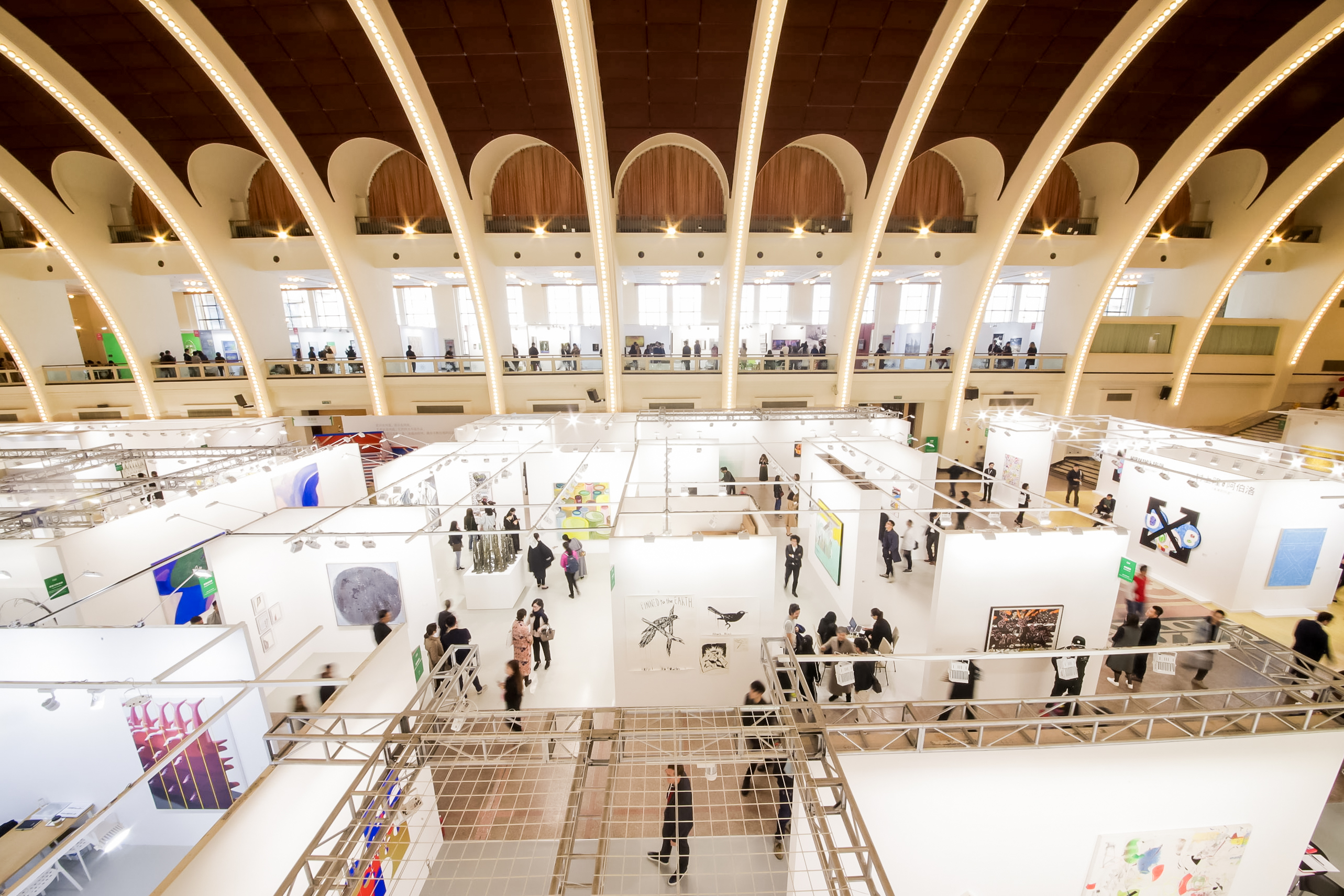
▲2018 ART021
The general opinion is that mega galleries need to sell more works than smaller galleries to be profitable. But based on Chau’s observations while running ART021, that isn’t exactly true. Mega galleries already have a stable set of clients – there isn’t an abundance of new buyers. They sell more expensive works, but at the same time they alienate buyers who wish to purchase inexpensive art. Smaller galleries have an advantage of being able to showcase local artists who may have not yet international fame, but are still attractive for new buyers. As a contemporary art fair, ART021 has always advocated this idea: let people know more about art before they consume it. Chau said, “I am proud to say that we have ‘trained’ a large number of new collectors. They are young, energetic and passionate about art.”
“In my opinion, service is of great importance within the Chinese art market. Art is a high-end luxury commodity. Its consumers need high-quality service, with more accessible art knowledge. Only when fairs and dealers do so, will people find a genuine interest in purchasing artworks.”
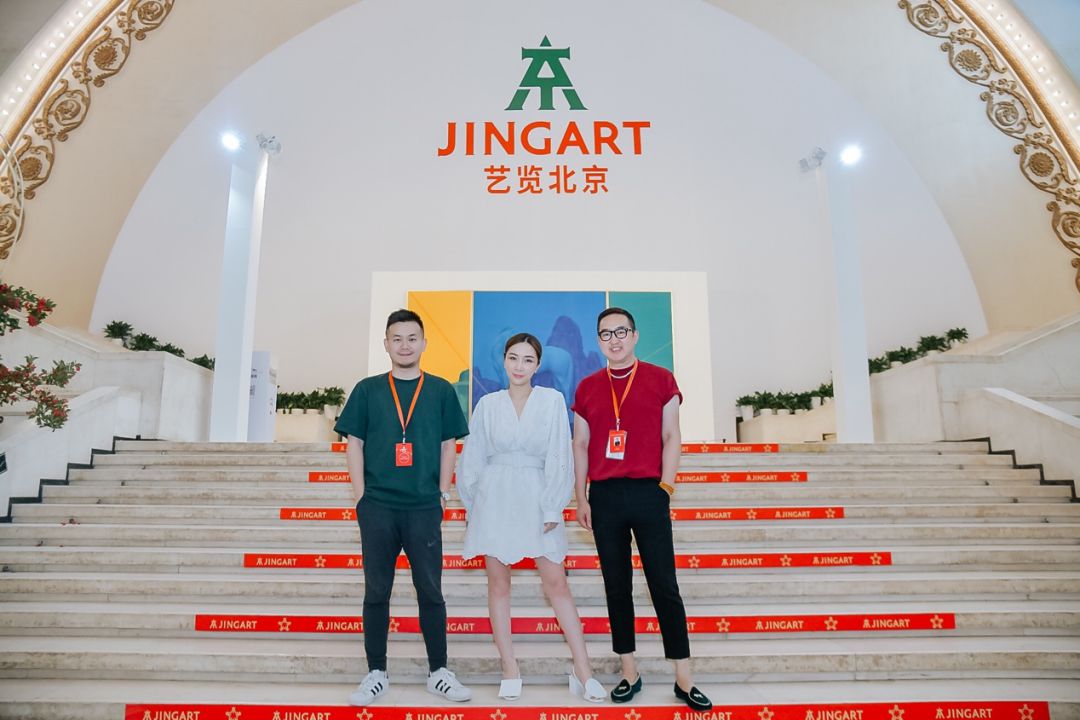
▲ART021 production team: David Zhou, Ying Qinglan and Bao Yifeng
According to Chau, there is no shortfall when it comes to enthusiastic art collectors in the Chinese art market. The problem actually lies in the fact that fairs, dealers and auction houses need to improve when it comes to delivering customer satisfaction. The provision of essential service and content is necessary in conducting good art business. Galleries, for example, should have professionals who can explain to buyers about the works and how they fit into art history and culture. Art knowledge needs to be made accessible to general public by them.
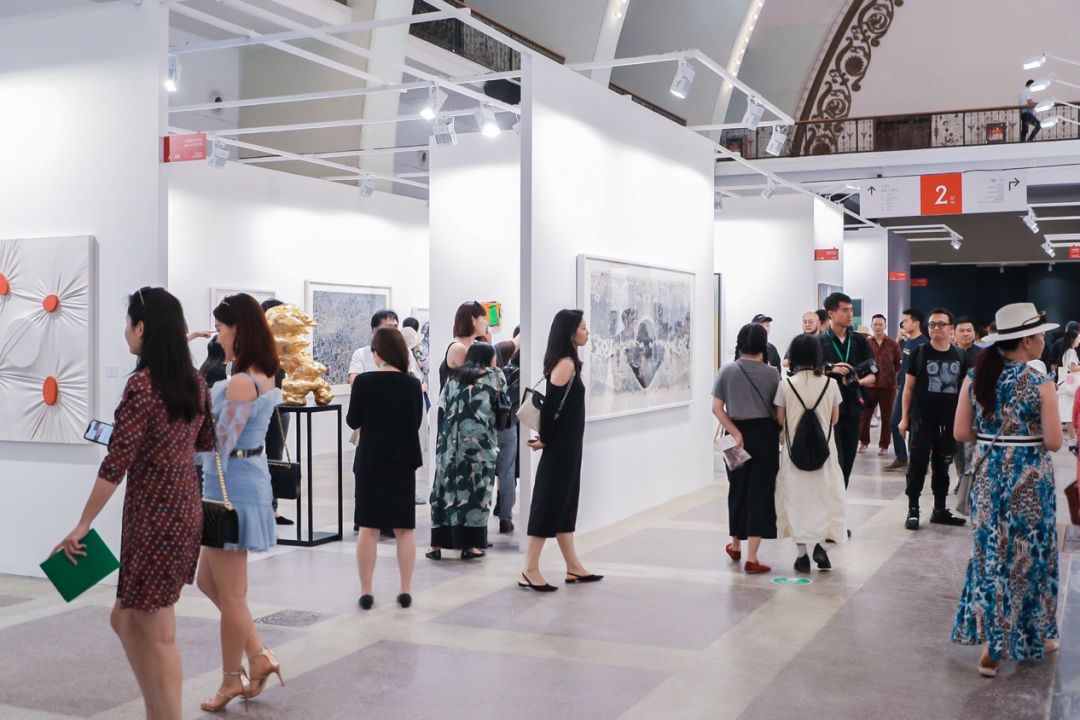
▲2019 JINGART
Translation: Kirsten Wang