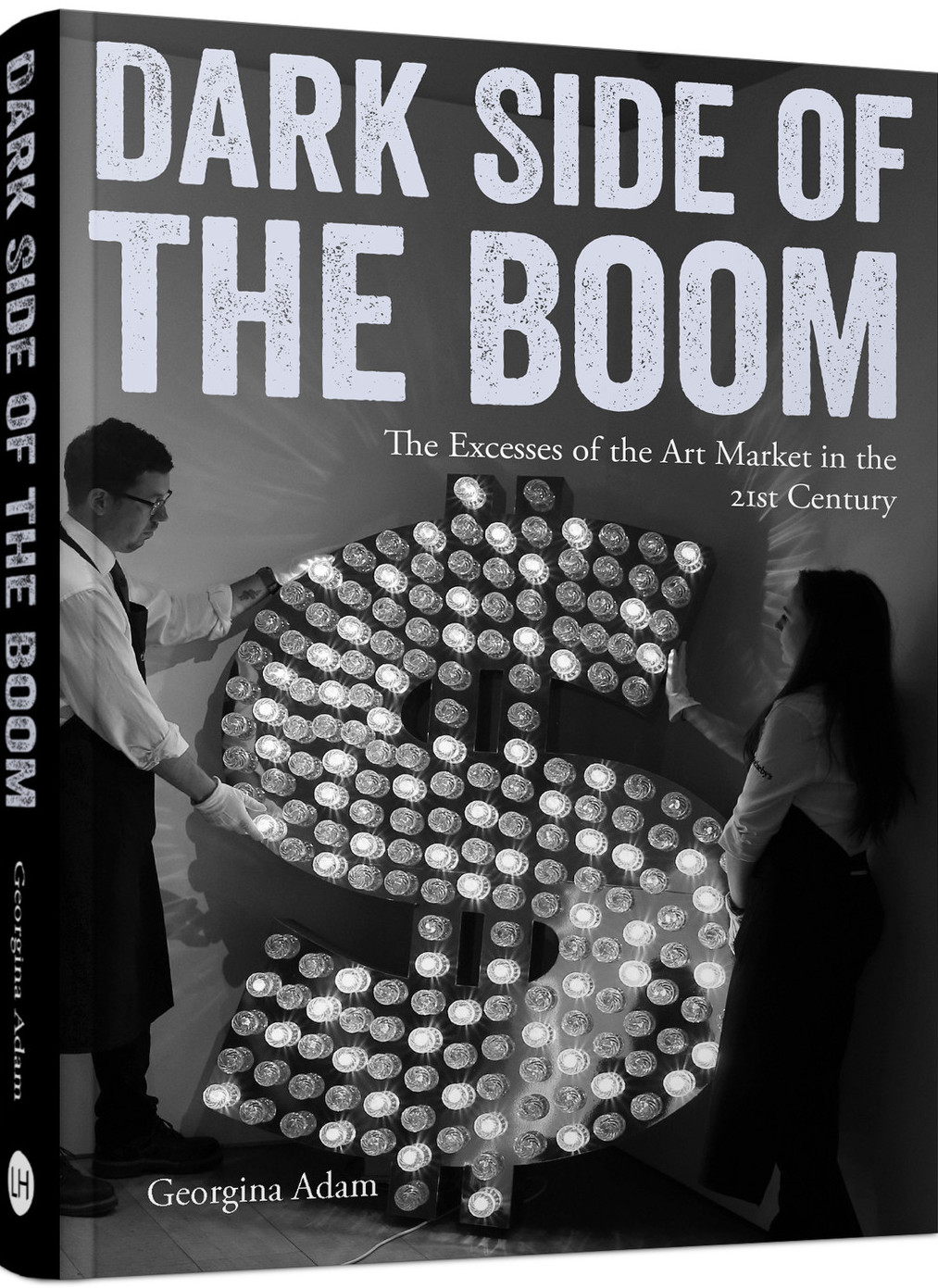

In this interview, Michael Findlay, author, dealer and director of Acquavella Galleries, updated us on his publications of The Value of Art: Money, Power, Beauty and Seeing Slowly: Looking at Modern Art. Both books will officially go on sale in China, published by China Citic Press, in April next year.
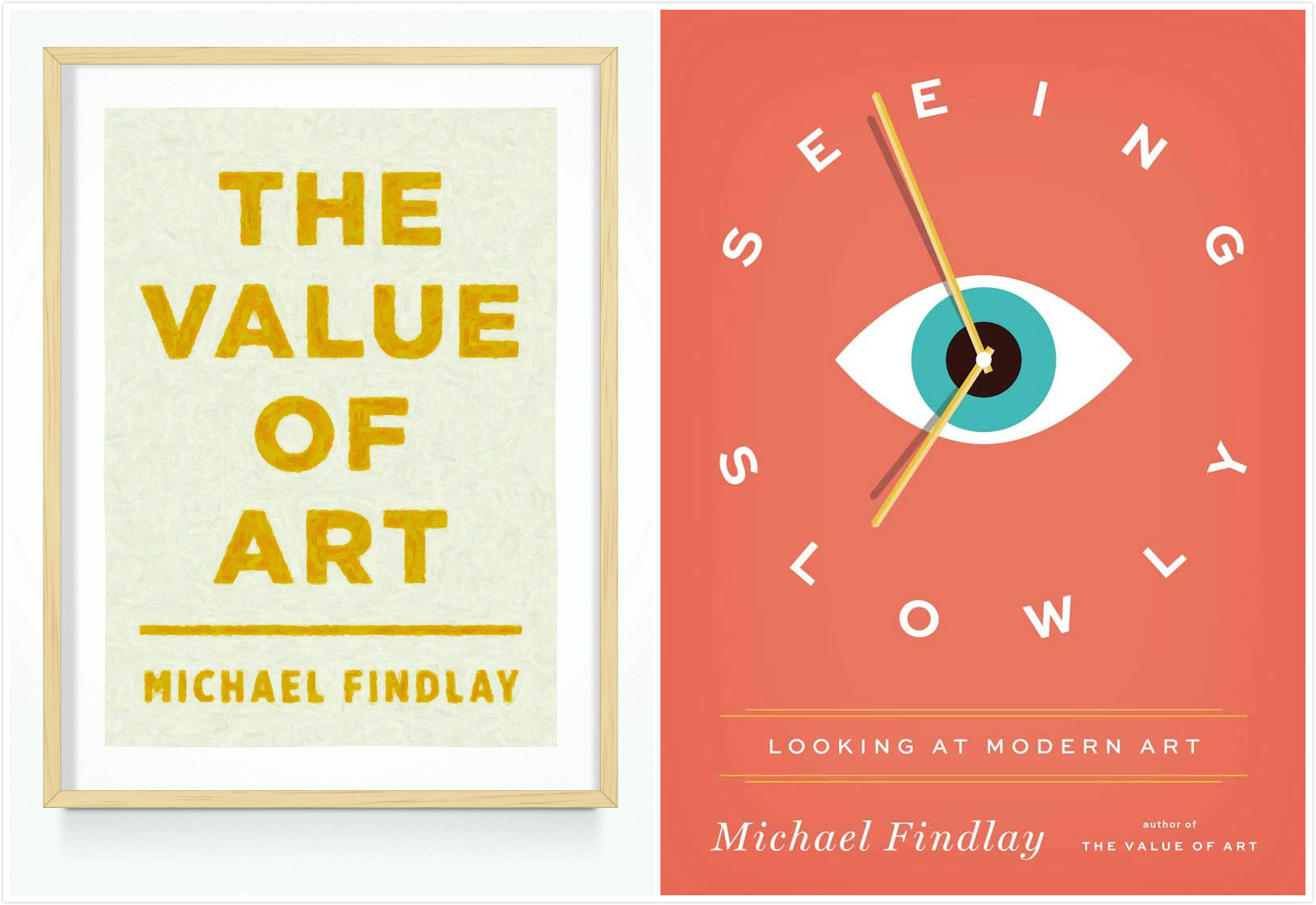
▲The Value of Art: Money, Power, Beauty; Seeing Slowly: Looking at Modern Art
As an expert who has been involved in the art market for 54 years, Findlay shares his valuable vision on developments within the global art market and offers his advice for collecting art. Firstly, Findlay reveals the extent to which the global art market has been on an upward trend in recent years. After that, he offers opinion on how to build one’s art collection.
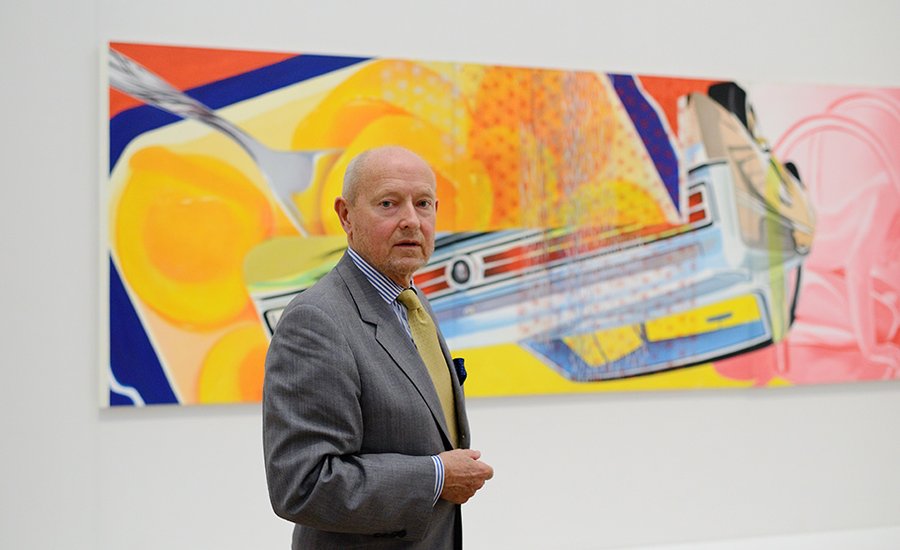
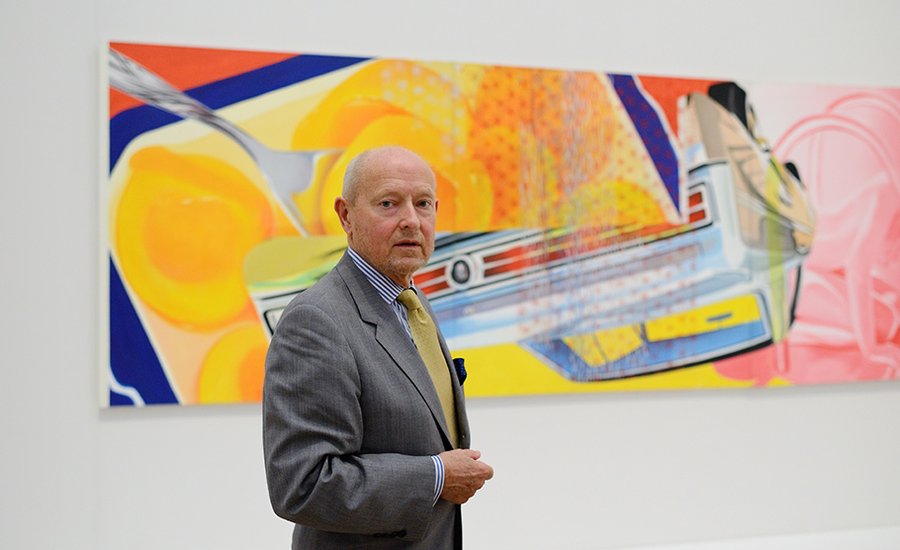
▲Michael Findlay
Recent developments within the global art market
Findlay wrote his first book in 2012, The Value of Art: Money, Power, Beauty. It demonstrates his own detailed and personal perspective of the art business over a period of 50 years. Seven years later, he discusses with us how the digitalization of contemporary society is having an impact on several facets of the art market.
“Social media has continued to change the way art is both understood and collected, for better and for worse,” Findlay says.
It has been for the better because the opportunity to learn about what is being done and what is available is able to reach a much wider audience than before, but it has been for the worse because it encourages people to treat small, pixelated images which they see on their mobile devices as being equivalent to the works of art themselves.
▲The Value of Art: Money, Power, Beauty
Findlay touches on the importance of the development of technology. Through social media, which is a way of easily accessing technology, works of art can be viewed and judged both quickly and easily. This includes collecting at art fairs and auctions where quick purchasing decisions are made in a hectic sales atmosphere.
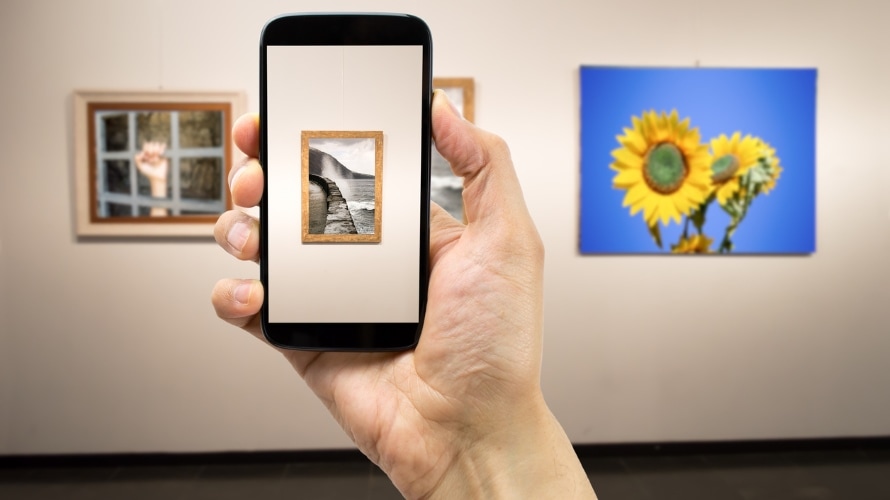
▲Social media has continued to change the way in which art is both understood and collected
In addition, he tells us how he views the cyclical nature which has happened in the art market in recent years.
On a national level, the fortunes of any given region have been impacted through increased collector purchases within that region, as well as an increase in sales of works of art by artists from that region. When the Chinese economy improved drastically, people saw the creation of significant wealth, and Chinese collectors began purchasing both Chinese and Western art as well as there being an increase in interest from the international market in purchasing contemporary Chinese art.
“A number of factors may indicate that we are reaching the end of a cycle,” Findlay suggests. The imposing of tariffs on trade between China and the U.S. could well have a significant impact. Brexit might have an impact too. London has thrived as an art market center for major galleries, art fairs and auctions, mostly due to its hospitality towards wealthy overseas residents and visitors. With Brexit this may change, but nobody is certain yet.
▲Brexit
In Findlay’s view, it is possible that we are heading towards a shift in the market which may appear to be a downturn but will, in fact, be a realignment of priorities. Fewer incredibly high prices will be being paid by a small number of collectors at the top of the market and there will be a more even distribution of sales of varying price levels which will correspond with the quality of works of art and reputations of artists, as it once was.
Advice for art collectors
Findlay mentions some tips for purchasing art in The Value of Art: Money, Power, Beauty. One of these tips is, “Really look at art and buy it for its aesthetic pleasure, not as an investment.” Therefore, with regard to today’s art collectors, he believes that millennial art collectors who are buying works of art simply as an investment will be quite disappointed and he hopes for their sake that they have other assets.
“After fifty-four years in this business, I am baffled that a millennial or anyone else would think they know what a work of art they are buying today is going to be worth tomorrow.” If history has taught us anything, it is that only a small percentage of works of art will be worth a great deal more in the future. Some might retain their value, but most will not. For every single person who bought a painting by Andy Warhol for $1,000 in 1962, there were many more people who paid way over the odds for paintings by other very well-established artists who have now largely been forgotten.
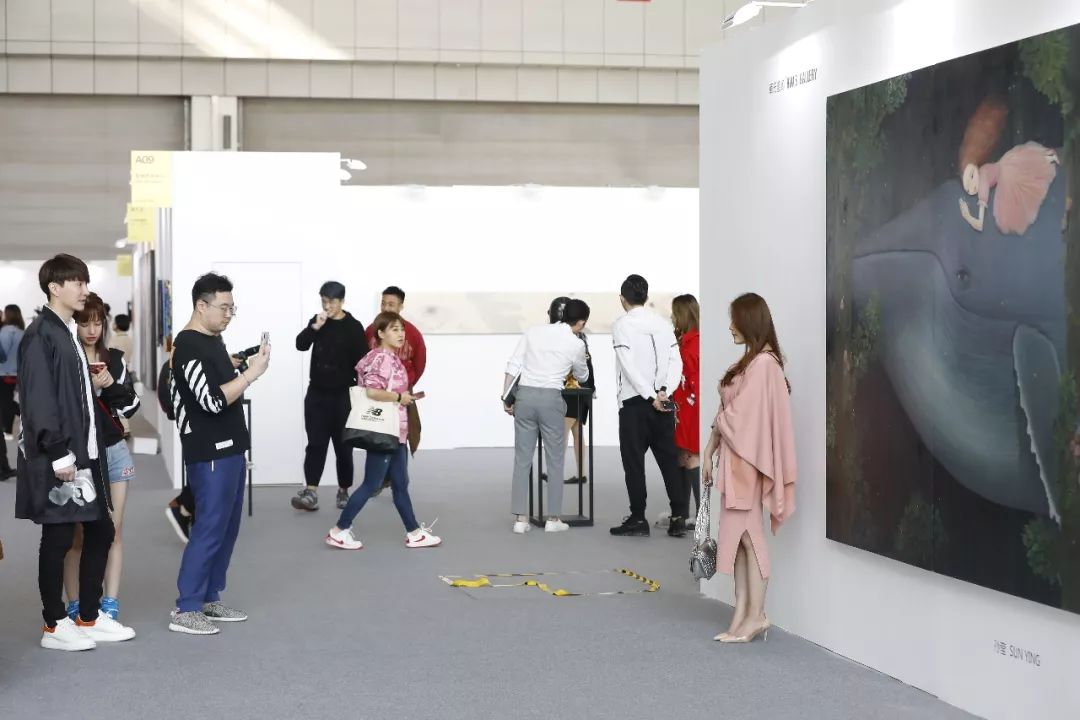
▲Millennial art collectors
When asked if he has any new tips for investing in art, Findlay says that “tips are for betting on horses.” Art collections which are the most valuable when they are eventually sold are generally those which have been acquired by people who are passionately interested in art, and who spend money they can afford in order to buy the very best of what they like. Art collections acquired by people who are motivated solely by investment are usually less than top quality and will always sell for a lower amount.
“It is very simple. If you are willing to pay more than anyone else to get what you know is the best, you might be called foolish at the time. But when you come to sell it, someone else is going to be willing to pay more - because it is the very best. Most collectors with an investment mentality say they want the best, but are unwilling to pay a top price. They like to boast about how little they paid for their painting by Mark Rothko. If they paid “little” I guarantee it is not an A1 painting, and when they sell their Rothko, the price they get will reflect that. It cannot become a better painting.”
The collector who “overpays” but buys the very best Rothko available will always have the very best.
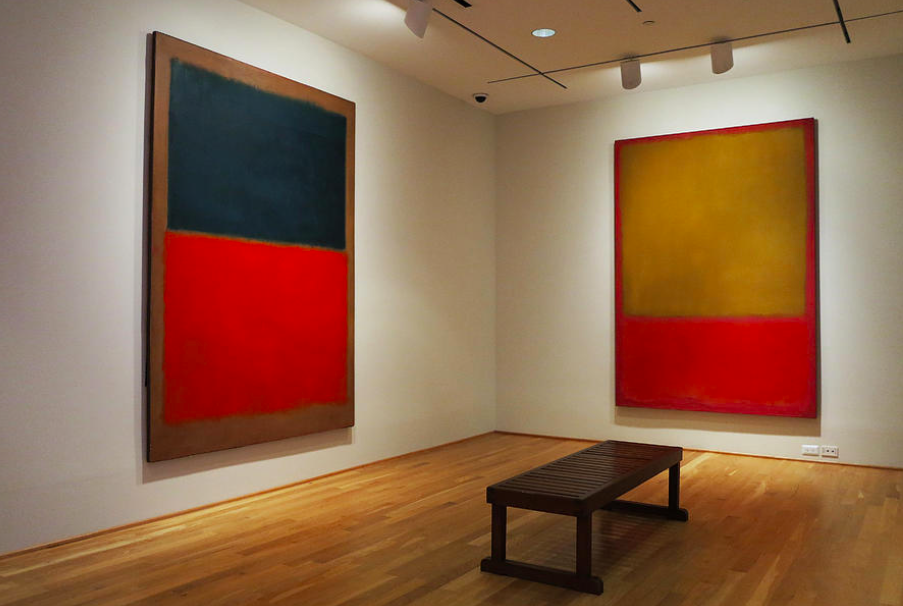
▲Mark Rothko’s artworks
The general opinion is that by spending time forming your own taste (and heeding good advice), you can become a proper collector and not simply an investor. Most importantly, only by becoming a proper collector will your collection become a much better investment.