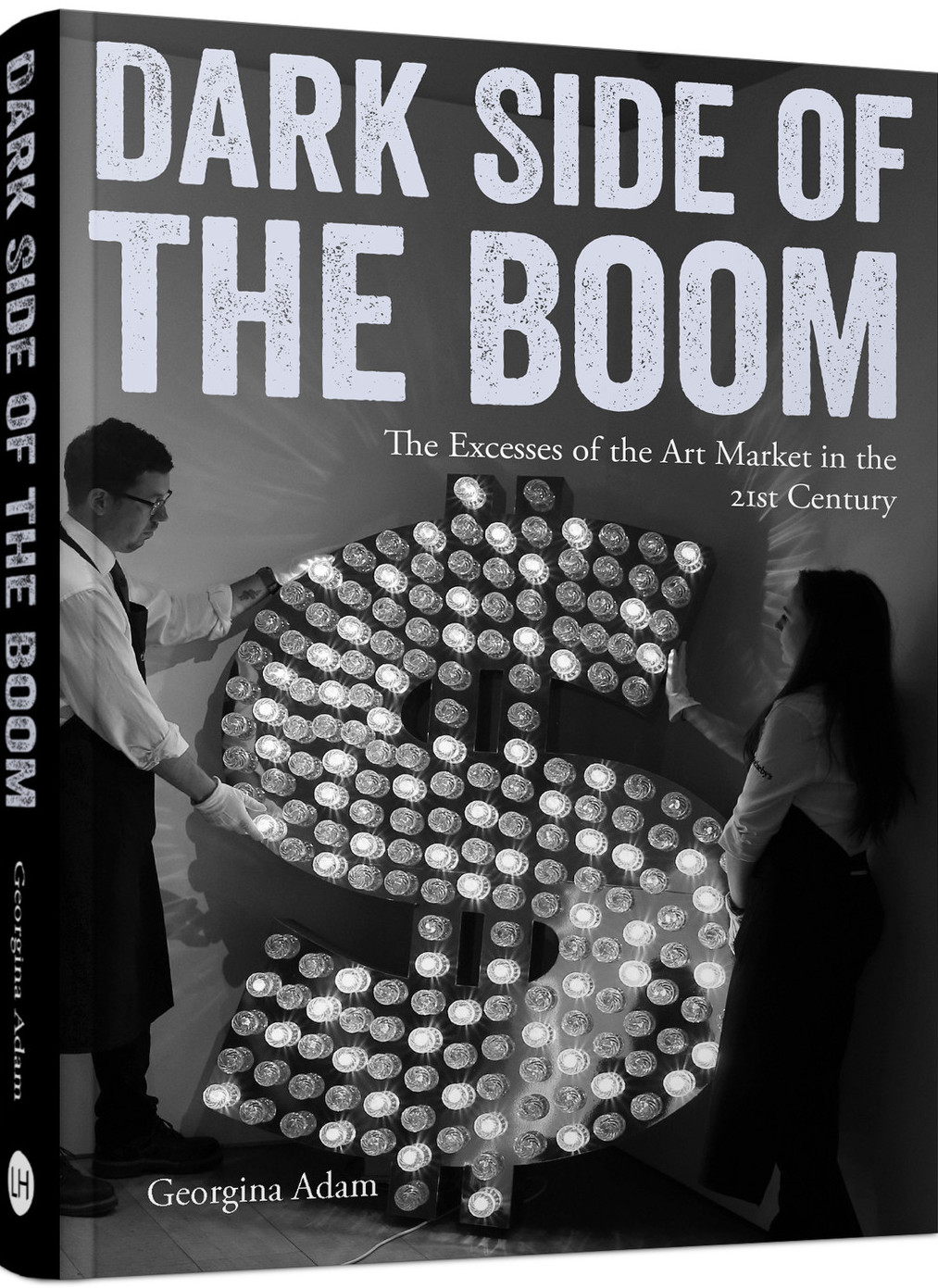

Art market expert and author Georgina Adam’s book Dark Side of the Boom: The Excesses of the Art Market in the 21st Century takes an in-depth look at the excesses and extravagances that the twenty-first-century explosion of the contemporary art market brought in its wake, among which she mainly focuses on the high-end art market.
▲Dark Side of the Boom: The Excesses of the Art Market in the 21st Century
Although the proportion of transactions at the top level in the entire market remains small, the benefits accrued at the high-end of the market cannot be underestimated. Thus, there is mounting evidence of increasing issues, such as the market’s light regulation and explosive growth in prices at the top level. Investigating these issues, the book describes an elite art scene with less visible background dynamics. Through revealing interviews with artists, lawyers, dealers, collectors, and others, Adam charts the voracious commodification of artists and art objects, and art’s position in the clandestine puzzle of the highest echelons of global capital. Among them, we have highlighted some important content regarding art investment. Furthermore, the author, Georgina Adam, joined us to recap the dynamic changes in the art market of the last few years, and share her exclusive thoughts on the market.
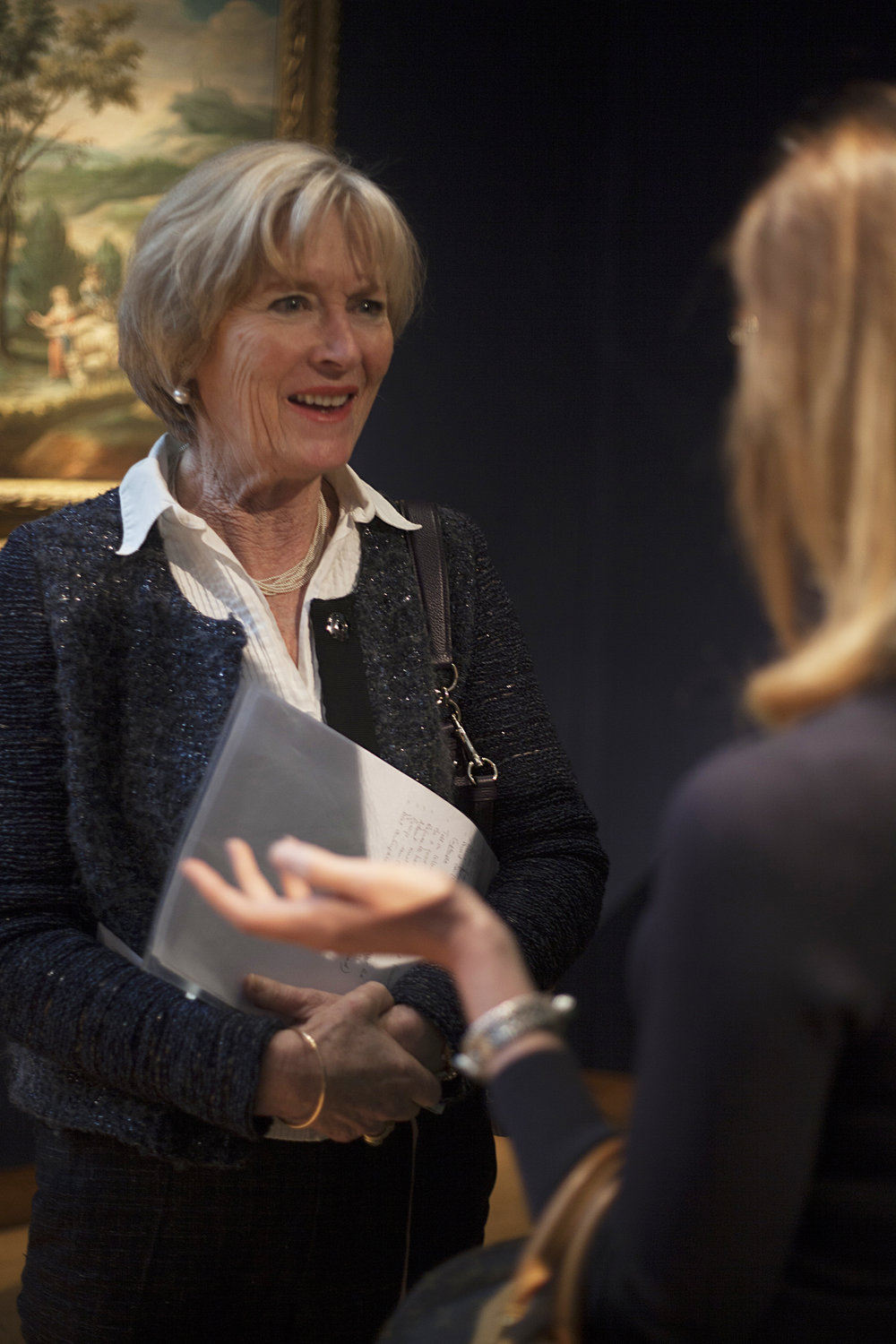
▲Georgina Adam, photo courtesy The Association of Women in the Arts
Is contemporary art a good investment?
In recent years, art investment has become one of the hottest new investment crazes, which begs the question: is contemporary art a good investment? From an economic standpoint, the book refers back to previous research undertaken by economist Don Thompson, which indicates that buying inexpensive art as an investment isn’t a reasonable suggestion. Los Angeles–based art collector Stefan Simchowitz also stressed, in the context of the finance world, it is irrational to consider buying and collecting artworks as an alternative investment asset, because there is “No liquidity, difficult to sell and the chances of you buying the right stuff are slim to none.”
In addition, a professor at the Luxembourg School of Finance, Roman Kräussl, revealed that the existing indices on the basis of repeat sales are overestimated because people pay more attention to the old winners. For instance, normally there would be about 60 lots offered at the big auction houses’ evening sales, but artworks that come up at auction are considered more likely to be purchased by collectors, which leads to the issue of selection bias. Professor Kräussl also suggested that a profitable return is often preceded by valuable first-hand information within the market. That is to say, in a situation in a market lacking transparency, if an investor has access to superior information, unique data, top quant models or insider information, he or she will have a stronger tolerance of market risk.

▲The University of Luxembourg
But in general, Adam concludes that none of this has stopped a thriving art investment industry growing around the art market. According to the author, "this is due in part to the huge prices the top pieces make, leaving owners with an asset that must be managed along with the rest of their wealth". Therefore, finance institutions such as banks have long offered art advisory services, including art financing, estate planning, philanthropy and more.
Is art an asset or an asset class?
Adam mentions in her book that there are many concerns about whether art is an asset or an asset class. She quotes Melanie Gerlis, art market editor of The Art Newspaper: “I would say that anything that can be guaranteed, as the auction houses do, is an asset, however, the problem is that only work by about 20 white, male and modern artists could actually be considered an asset class.” The collector and investor Alain Servais also raises doubts and questions concerning similar issues: how could you incorporate art into an asset class if it needs to rise in price by at least 50% to 100% for the purpose of recovering transaction costs, while there is little transparency in the market?
Moreover, Adam points out that art buyers may look at their purchases as a means to improve their cultural credit, rather than as a means of making money. On the flip side, traditionally a financial return can be generated only when reselling the artwork, but utilising new strategies in the market, some use money borrowed from art loans to invest either in more art or in other commercial concerns. As we can see, however, only those who own high-end artworks or can afford access to such investments, can leverage loans against art holdings.
In recent years, some relevant cases have performed well in the market while others have been almost unreliable. Adam introduces some promising examples, such as the art trading platform, My Art Invest. The platform is a unique gallery where anyone can invest in contemporary art by purchasing shares in works. Once all the shares of a particular work have been sold, investors can generate immediate income through selling their shares.
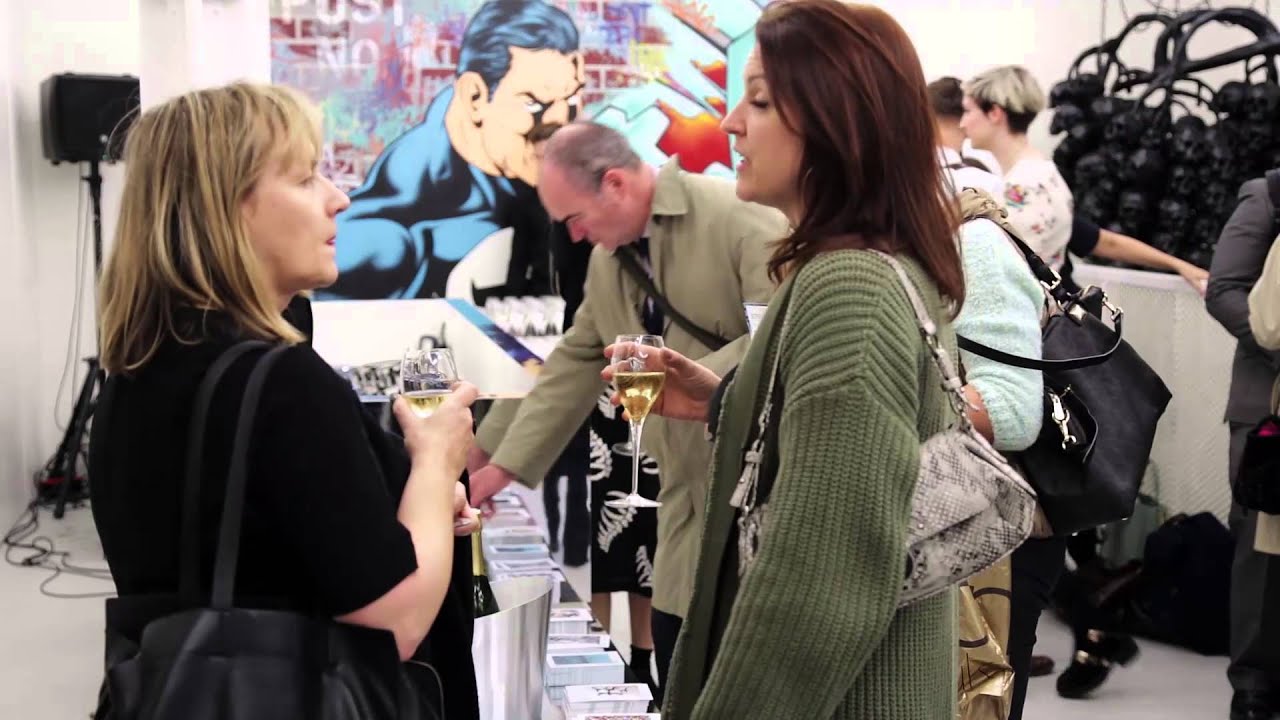
▲The grand opening of My Art Invest’s London space. Courtesy of My Art Invest UK
Interview with Georgina Adam
AMJ:Could you please tell us what has been the biggest change in the art market over the past few years?
Georgina Adam:There have been many changes over that period. I would pick out:
1. Sotheby’s going private, meaning that the two biggest auction houses in the world no longer reveal much about their expected sales figures, profits, the level of guarantees, and so on. This increases the opacity of the art market.
2. The rise and rise of “mega galleries” and the pressure put on the medium-sized galleries as a result.
3. The increasing interest in art as an asset class and as an investment.
AMJ:In your book, you mention that fashion and social media are having an impact on several facets of the art market. What do you think of recent trends in art creation? Have you changed your mind?
Georgina Adam:I have certainly not changed my mind; in fact, I think both trends are accelerating. Instagram is becoming more and more important and a way for collectors to find new artists, for sales to be made by art galleries, and also for reaching younger collectors, such as those interested in KAWS. And the overlap between fashion and art just gets stronger: look at the Sterling Ruby venture into fashion, etc.
AMJ:As you point out in your book, “Perhaps the most important changes were its increasing polarization and commodification, with the top players in the dealer sphere increasing in size and adding new outlets.” Can you tell us how you see this change happening in the market in recent years?
Georgina Adam:We see Hauser and Wirth expanding not only with outlets for art (the newest in Menora), but with hotels (Scotland), and catering (bar in a gallery in Somerset), and the Lost Angeles gallery is almost like a museum with a bookshop, sculpture garden, restaurant, and café, as well as a number of galleries. The biggest galleries are also venturing into publishing, with Hauser & Wirth publishing Ursula, and Gagosian with its own self-titled magazine.
As for commodification, the rise of the notion of art as an investment, freeports to store it, and the number of banks with art advisory departments shows how important this is. Also, the rise of art-backed lending is stimulating this aspect of the art market.

▲Courtyard, Hauser & Wirth Los Angeles, 2018. Courtesy Hauser & Wirth.
AMJ:If you could choose only three words to describe the relationship between art and money, which words would they be, and why?
Georgina Adam:Complicated. Because art is nevertheless elitist and you do need money to acquire it, and the creator (artist) needs money to live. So you can’t take money out of the equation; Contradictory. Because the existence of museums and galleries means that much art can be enjoyed for a small amount of money (or for free), even if it is very expensive; Evolving. Because the way we consume art is changing all the time; for instance, the existence of selfies and Instagram means that the audience is much bigger now.
AMJ:What is the most important advice you would give to buyers purchasing artworks today?
Georgina Adam:Don’t buy too fast. Ask a lot of questions, and do research. It’s easy to buy but not so easy to resell if you make a mistake.
AMJ:Would you like to say something to Chinese art lovers?
Georgina Adam:Encourage young artists but be critical. Don’t be taken in by trends or what others say. Look a lot before deciding.
Editor: Hutch Wilco