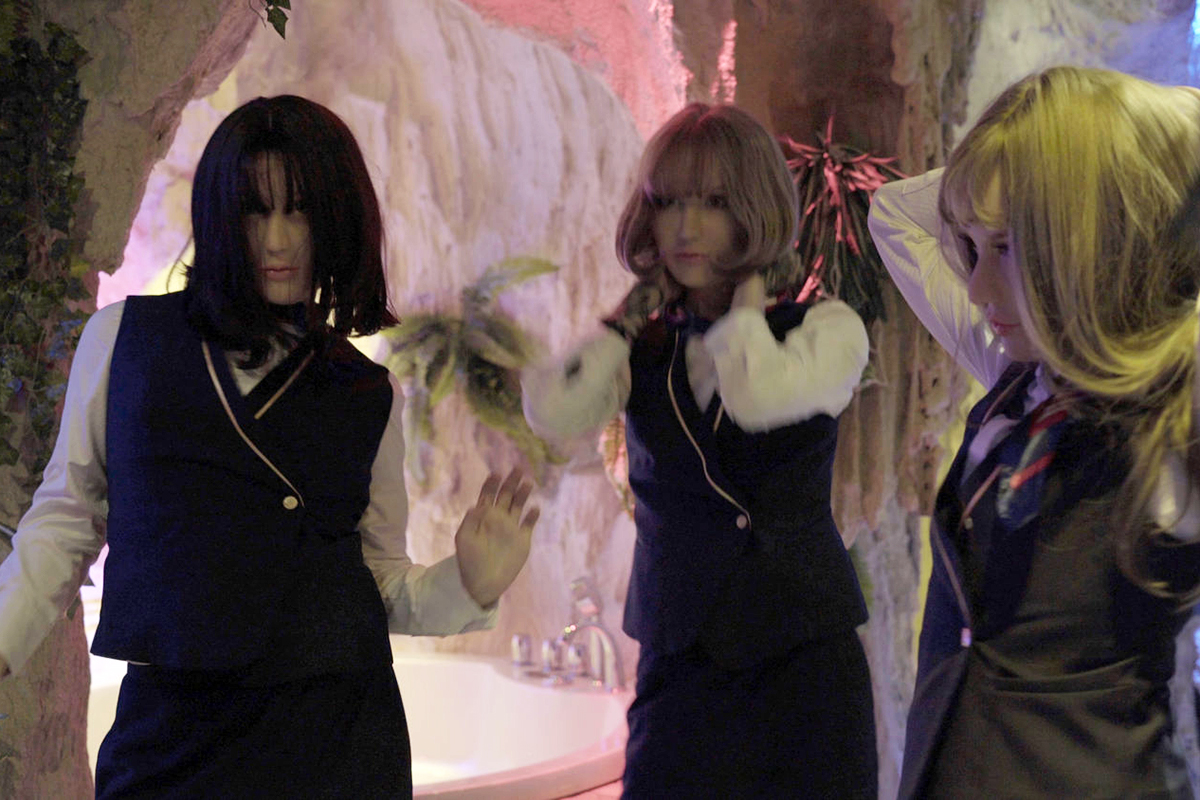

Recently, Forbes released this year's 30 Under 30 Asia. In the art section, four Chinese artists have got on the list. From 28-year-old Gao Ludi to 27-year-old Zhang Zipiao, the four artists have one thing similar: they were all born during the 1990s. Millennial artists are rising stars in China. They have exhibitions in museums and galleries both in China and overseas. They are constantly reported on by media, including Artron, Ocula, and Artnet. They are totally different than established Chinese contemporary artists, but still, we can see the mark of the Economic Reform and Open Up on these young artists.
One of the major differences between the millennial artists and their previous generation is that they are much more individualised. Art critic and the writer of the bookBrand New Art From China: A Generation on the Rise, Barbara Pollack, said: "When you look at the artworks by the artists that are before 1980, you'll know they are Chinese artists. However, millennial artists today are much more global. It is very hard to tell where the work was made."

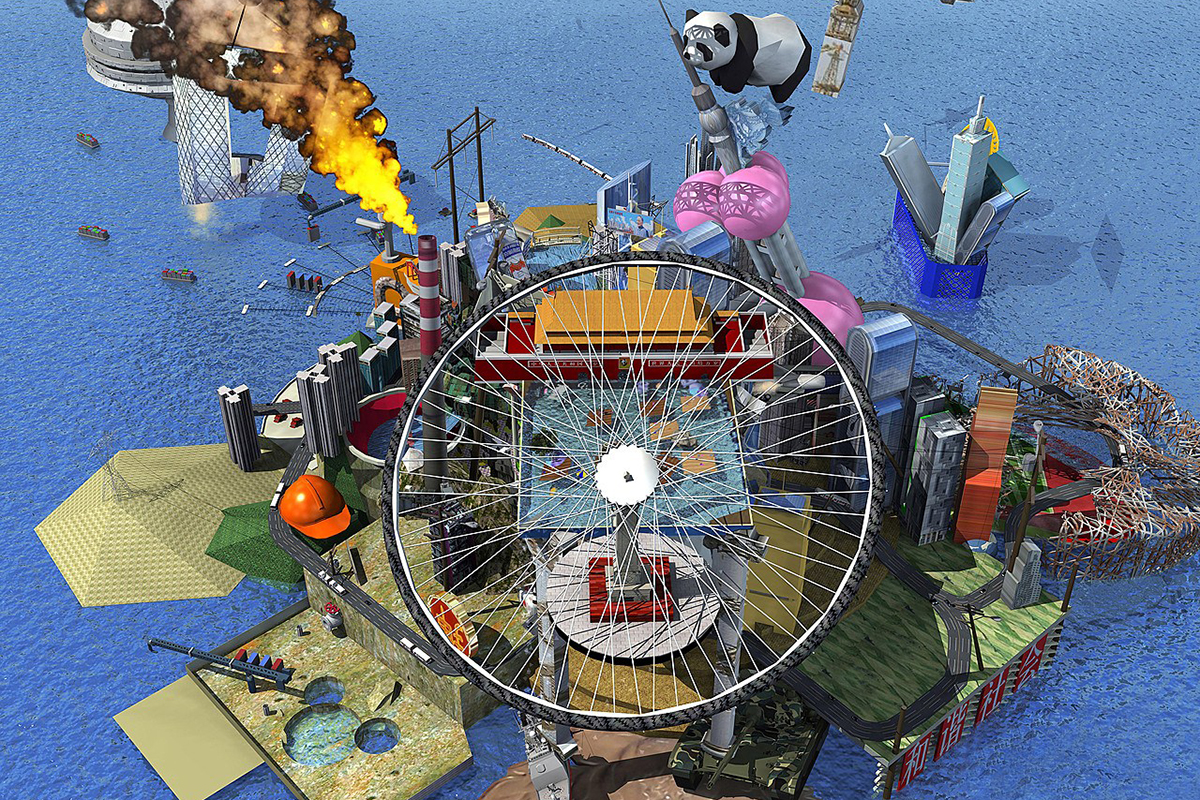
▲Brand New Art From China: A Generation on the Riseby Barbara Pollack
Indeed, the artworks by Chinese millennial artists are more about unique personal experience and society. They seldom touch topics like politics or universality. This is largely due to how differently they grew up from their parents and grandparents. Having grown up during China's economic boom and globalisation, their vision is much more hopeful and open-minded.
However, what makes this generation so special is because they are all the only child of their families. Pollack explained: "This generation is the product of the one-child policy. Almost all the artists interviewed for my book are the solo child. They are much more concerned about developing unique voices and expressing themselves. This is very important to them."
Even though, the artists of this generation focus much on their unique experiences, it doesn't mean they do not care about the issues of societies or polities. They just don't express the opinion straightforward like the older generations. However, this is not due to the strict censorship in the country. Lise Li, director of Vanguard Gallery which presents a few millennial artists, said: "The millennials didn't encounter any political event directly. Therefore, they are more used to discussing the politics or the society from a side perspective."
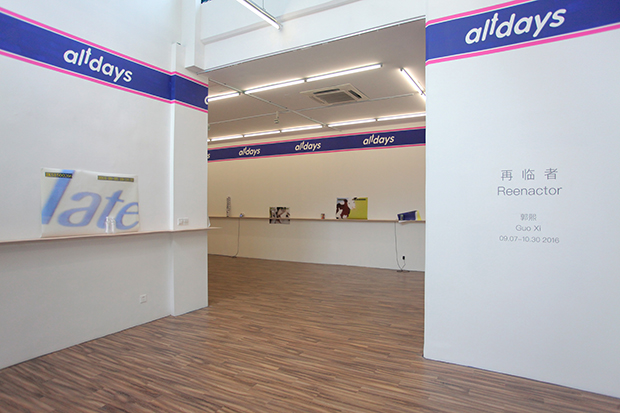
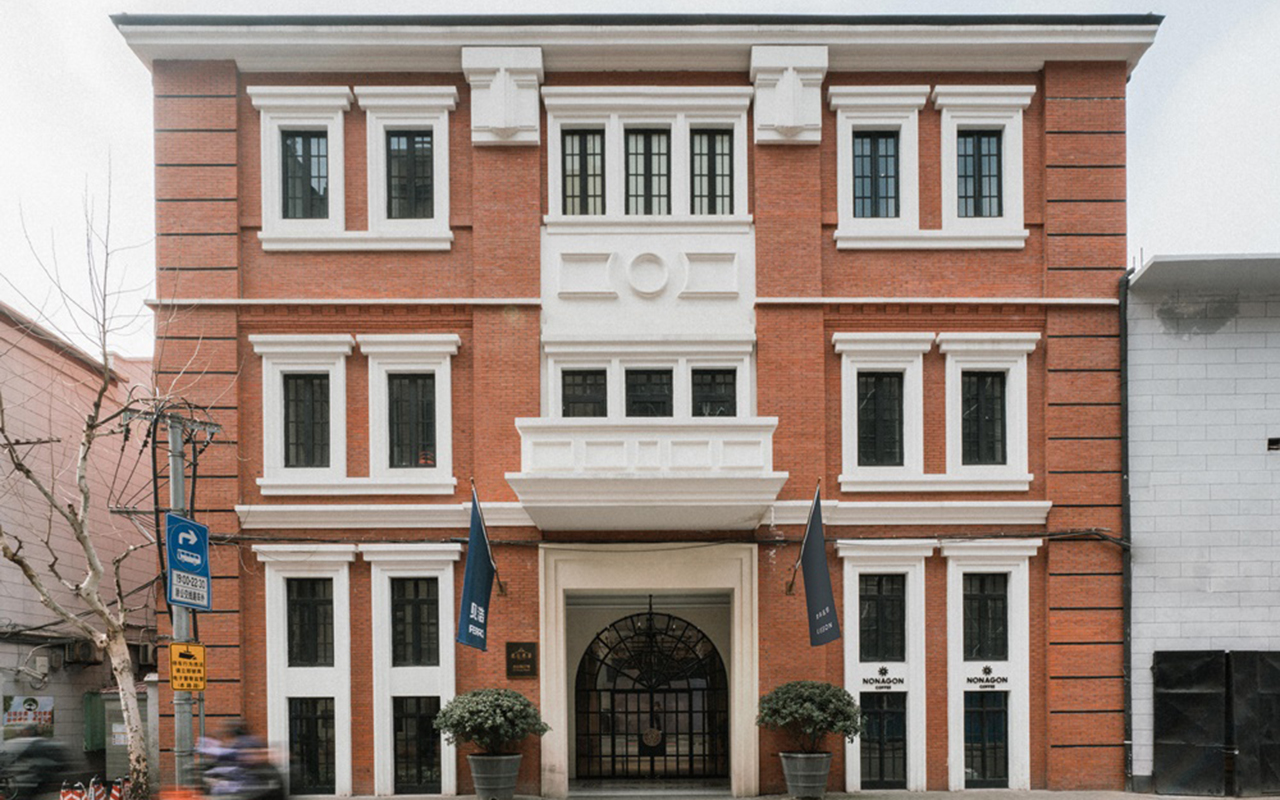
▲ Vanguard Gallery in Shanghai exhibiting millennial artist Guo Xi's artworks
The individualistic style of artworks also influences the millennial artists' identities, as their artworks are too individualised to be defined to a specific art form. In fact, from what Pollack learned from her millennial artist interviewees, they do not want to be tagged as the new Chinese artists or even the millennial artists—they only want to be known as themselves.
Another outstanding characteristic of millennial artists is their part in globalisation. Most of the young artists nowadays have visited the West or have even studied there. The rich experience with art allows these artists to have much more mature and complete artworks. "You can immediately see the difference between the two generations," said Li. "Artworks by the artists born after the 1990s are much mature than the artists before them when they were in their early twenties."
Moreover, most young artists nowadays can speak English. Pollack told me that about half of the millennial artists she interviewed could speak English fluently. If they don't, they have at least one person in the artist's studio that can speak English. In addition to that, the majority of the millennial artists will make their personal portfolio website bilingual. This enables the artists to better communicate with foreign art curators or merely showcase themselves on an international stage.
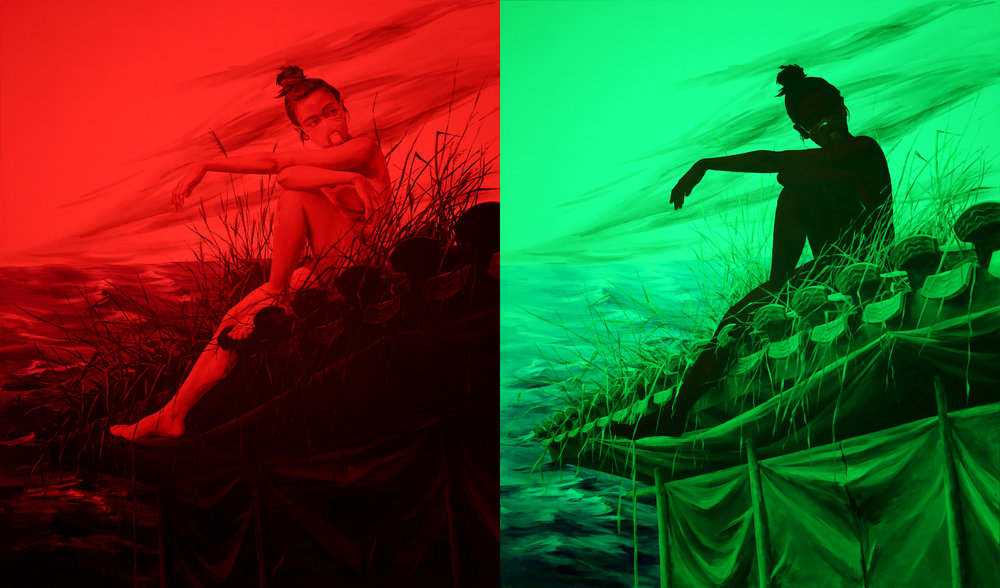
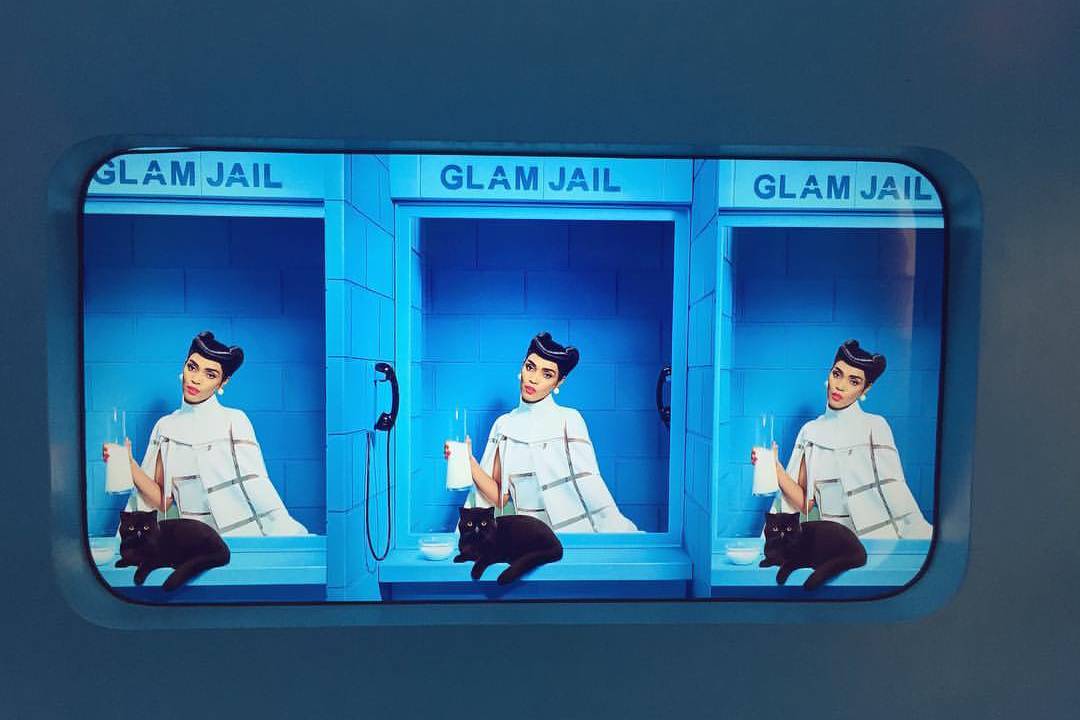
▲Highlikeby Liu Wa, a millennial artist who get in to the Forbes 30 x 30 Asia this year
Nevertheless, the millennial artists in China wouldn't have what they achieved today without the help of the external environment. Li explains: "Compared to the previous generations, the artists that are born after 1985 are very lucky. Probably from 2014, the whole environment has been kind to young artists. From the museums and galleries to art project and media, they've been given so many opportunities and have been easily accepted by the collectors."
In China, cultivating millennial artists becomes a mission for many museums from Hugo Boss Asia Art cooperating with the Rockbund Art Museum to the HOW NOW project by the HOW Art Museum. Prominent galleries like Tabula Rasa and White Space in Beijing, along with Vanguard Gallery, MadeIn Gallery, and Capsule and Bank Gallery in Shanghai all feature millennial artists. Moreover, a few organisations and projects that support the young and millennial artists were established in recent years, such as the CC Foundation by the co-founder of Art021 and the Art Nova 100 supported by professors from the China Central Academy Of Fine Arts. With the wide expansion of private museums and art foundations in China, millennial artists truly have many more opportunities to showcase.
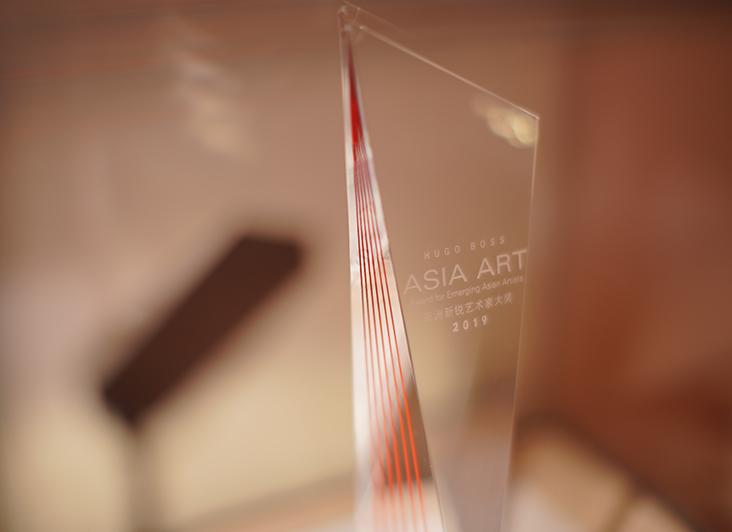
▲Hugo Boss Asia Artcooperating with the Rockbund Art Museum
On the other hand, collectors in mainland China also play an important role in encouraging the millennial artists. Unlike collectors in Taiwan or in Europe, many mainland Chinese art collectors are still at the entry level. For millennial artists, this is a good sign because this means these collectors are more open-minded. They do not have a very niche collection and are more willing to buy different artworks.
Similar to how new art collectors in China are happy to shell out cash for this new art, senior art collectors also like Chinese millennial artists. Li told me that most of their customers are actually collectors with a lot of experience in collecting artworks by young artists, such as Uli Sigg and White Rabbit Gallery. These collectors will put much effort into researching and evaluating young artists before buying their artworks. They show passion and respect to young artists. She explains: "These art collectors are truly encouraging to us and to the young artists as well."

▲ The Swiss businessman Uli Sigg is one of the most prominent Chinese contemporary art collector
As the Chinese art scene is maturing, so will the Chinese millennial artists. This generation is unique. They were born in a great era that included both the economy and the art market booming. Their future will be even brighter than the previous generations'.
Pollack explained: "I think the millennial Chinese artists are going to have amazing careers and they are going to do very well internationally. More and more internationally, people are willing to look to these young millennials as the future of contemporary art."